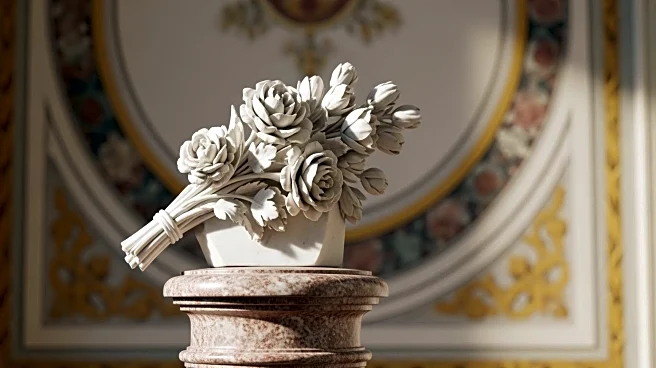




The Medici family, known for their significant contributions to the arts and culture, played a crucial role in the creation and performance of the opera 'La Flora'. This article examines how 'La Flora' reflects the Medici family's cultural patronage and political ambitions, highlighting their influence on the arts during the 17th century.
Medici Cultural Patronage
The Medici family were prominent patrons of the arts, using cultural projects to reinforce their political power
and influence. 'La Flora' was commissioned as part of the celebrations for the marriage of Margherita de' Medici and Odoardo Farnese, a union intended to strengthen the alliance between Florence and Parma. The opera was performed at the Teatro Mediceo, a venue associated with the Medici family's cultural endeavors.
Maria Maddalena, Margherita's mother, took an active role in the planning of 'La Flora'. She secured the services of musicians and singers, attended rehearsals, and may have contributed to the development of the plot. The opera's libretto contains allegorical references to the transfer of political power, the beauty of Tuscany, and the strength of the Medici dynasty, reflecting the family's ambitions and cultural influence.
Political Ambitions and 'La Flora'
The Medici family's political ambitions were intricately woven into the fabric of 'La Flora'. The opera's narrative, based on the mythological story of Chloris and Zephyrus, served as an allegory for the Medici's political power and influence. The transformation of Chloris into Flora symbolized the blossoming of Tuscany under Medici rule, while the union of Chloris and Zephyrus represented the strategic alliances formed through marriage.
The opera's performance was a statement of Medici power, showcasing their ability to commission and produce grand cultural spectacles. By aligning themselves with the arts, the Medici family reinforced their status as cultural leaders and patrons, using 'La Flora' as a tool to further their political goals.
The Impact of 'La Flora'
'La Flora' remains a significant example of Medici cultural patronage, demonstrating how the family used the arts to further their political ambitions. The opera's lavish production and allegorical themes reflect the Medici's influence on the cultural landscape of Florence and beyond.
Through 'La Flora', the Medici family left a lasting legacy in the world of opera, showcasing their commitment to the arts and their ability to use cultural projects to reinforce their political power. The opera continues to be celebrated for its historical significance and its role in the Medici family's cultural patronage, offering insight into the intersection of art and politics during the 17th century.