


Pseudoscience has a long and varied history, evolving alongside legitimate scientific disciplines. While some pseudoscientific ideas have persisted for centuries, others have emerged in response to new scientific developments. This article explores the historical evolution of pseudoscience, highlighting key moments and shifts in its trajectory.
Early Beginnings and Influences
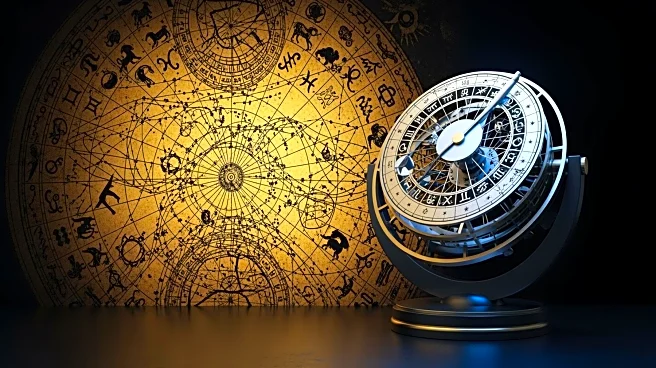
The roots of pseudoscience can be traced back to ancient times, with practices like astrology and alchemy.
These early pseudosciences were often intertwined with the scientific endeavors of their time. For example, alchemy, which sought to transform base metals into gold, laid the groundwork for the development of modern chemistry. However, as scientific methods advanced, alchemy was eventually recognized as a pseudoscience.
In the 19th century, pseudoscience gained prominence with the rise of phrenology, which claimed to determine personality traits based on the shape of the skull. Initially considered a legitimate science, phrenology influenced early studies in psychiatry and neuroscience. However, as scientific understanding of the brain advanced, phrenology was discredited and classified as pseudoscience.
The 20th Century: New Pseudosciences Emerge
The 20th century saw the emergence of new pseudoscientific ideas, often in response to scientific advancements. For instance, the theory of evolution prompted the development of creationism, which sought to counter the scientific explanation of life's origins. Despite lacking empirical support, creationism gained traction among certain groups, illustrating how pseudoscience can arise from ideological motivations.
Another notable pseudoscience from this era is homeopathy, which involves treating illnesses with highly diluted substances. Although homeopathy was initially popular due to its contrast with the harsh medical practices of the time, it eventually faced criticism for its lack of scientific basis. Despite this, homeopathy remains popular in some circles, highlighting the persistence of pseudoscientific beliefs.
Pseudoscience in the Modern Era
In the 21st century, pseudoscience continues to evolve, often fueled by the rapid spread of information through the internet. Ideas like the anti-vaccine movement and climate change denial have gained visibility, despite overwhelming scientific evidence to the contrary. These modern pseudosciences demonstrate how misinformation can spread quickly and influence public opinion.
Efforts to combat pseudoscience have also evolved, with organizations dedicated to promoting scientific literacy and skepticism. By educating the public about the scientific method and the importance of evidence-based reasoning, these efforts aim to reduce the influence of pseudoscience in society. Understanding the historical evolution of pseudoscience can help individuals recognize and critically evaluate pseudoscientific claims, fostering a more informed and scientifically literate society.