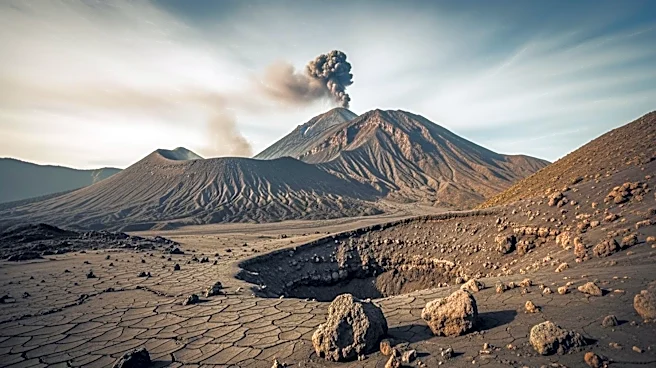



The Novarupta eruption of 1912 was a monumental event in the history of Alaska and the field of volcanology. Occurring at a vent west of Mount Katmai, this eruption was the largest measured volcanic eruption of the 20th century. It dramatically altered the landscape and had significant implications for the local population and scientific community.
The Eruption and Its Immediate Effects
Between June 6 and 9, 1912, the Novarupta eruption released an estimated 6.7 cubic miles of ash flows
and tephra, representing a magma volume of 3.1 cubic miles. The eruption produced a cloud of suffocating gas and ash that blackened the sky, affecting the inhabitants of nearby areas, including the town of Kodiak.
Residents of Kodiak experienced ash fall and were forced to seek shelter aboard the USRC Manning, a United States Revenue Cutter Service vessel. The crew provided care and safety for the townspeople, as navigation was deemed dangerous due to the eruption. This event highlighted the challenges faced by communities in the vicinity of active volcanoes.
Long-Term Implications and Scientific Interest
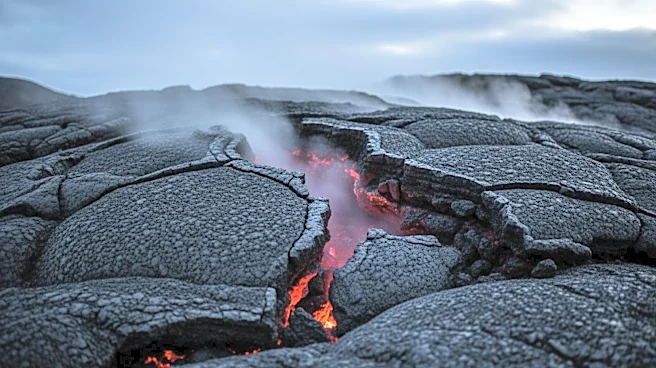
The Novarupta eruption had lasting effects on the region and sparked significant scientific interest. The collapse of the summit area at Mount Katmai formed a large caldera, which has since become a focal point for geological studies. The eruption also led to the creation of the Valley of Ten Thousand Smokes, a unique landscape formed by thousands of fumaroles venting steam from the ash.
Geologists and volcanologists have studied the eruption extensively, gaining insights into volcanic processes and the formation of calderas. The event underscored the importance of monitoring volcanic activity and understanding the potential hazards associated with eruptions.
The Legacy of Novarupta
Today, the legacy of the Novarupta eruption is preserved within Katmai National Park and Preserve. The park protects the region surrounding Mount Katmai and the Valley of Ten Thousand Smokes, offering visitors a chance to explore the aftermath of the eruption and the stunning natural beauty of the area.
The historical significance of the Novarupta eruption continues to resonate, serving as a reminder of the power of nature and the need for preparedness in the face of volcanic activity. The event remains a key chapter in the history of Alaska and a subject of ongoing scientific inquiry.