
Vitamin E is an essential nutrient that plays a crucial role in maintaining health, primarily due to its antioxidant properties. This vitamin is found in a variety of foods, both naturally occurring and
fortified. Understanding where Vitamin E comes from can help individuals make informed dietary choices to meet their nutritional needs.
Natural Sources of Vitamin E
Vitamin E is naturally present in a wide range of foods, particularly those high in fats. Vegetable oils are among the richest sources, with oils like sunflower, safflower, and wheat germ oil providing significant amounts of this nutrient. These oils are commonly used in cooking and food preparation, making them an accessible source of Vitamin E for many people.
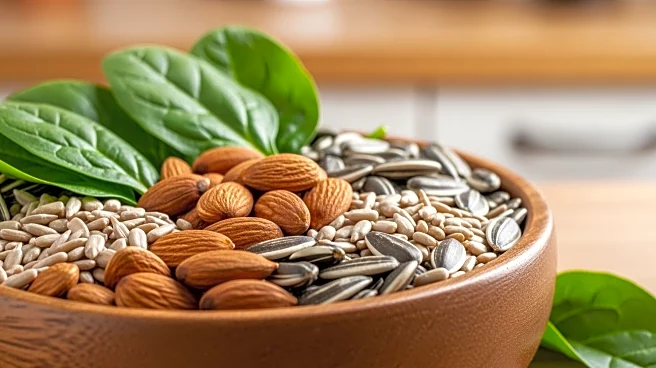
Nuts and seeds are also excellent sources of Vitamin E. Almonds, hazelnuts, and sunflower seeds are particularly high in this vitamin. These foods can be consumed as snacks or added to meals to boost Vitamin E intake. Additionally, green leafy vegetables such as spinach and broccoli contain Vitamin E, although in smaller amounts compared to oils and nuts.
Fortified Foods and Supplements
In addition to natural sources, Vitamin E is often added to foods through fortification. Ready-to-eat cereals, infant formulas, and liquid nutrition products are commonly fortified with Vitamin E, specifically in the form of alpha-tocopherol, which is the most biologically active form of the vitamin. This fortification helps ensure that individuals who may not consume enough Vitamin E through natural sources can still meet their dietary requirements.
Dietary supplements are another way to obtain Vitamin E. These supplements typically contain alpha-tocopherol and are available in various forms, including softgel capsules. While supplements can be beneficial for those with specific dietary needs, it is generally recommended to obtain nutrients from food sources whenever possible.
Tocotrienols and Their Sources
Tocotrienols, another form of Vitamin E, are less common in the diet but still provide important health benefits. The richest source of tocotrienols is palm oil, which is used in various food products. Other sources include rice bran oil, barley, oats, and certain seeds and nuts. While tocotrienols are not considered essential nutrients, they have been associated with potential health benefits, including antioxidant properties.
In summary, Vitamin E is widely available in both natural and fortified foods, making it relatively easy to incorporate into a balanced diet. By understanding the various sources of this essential nutrient, individuals can make informed choices to support their overall health and well-being.