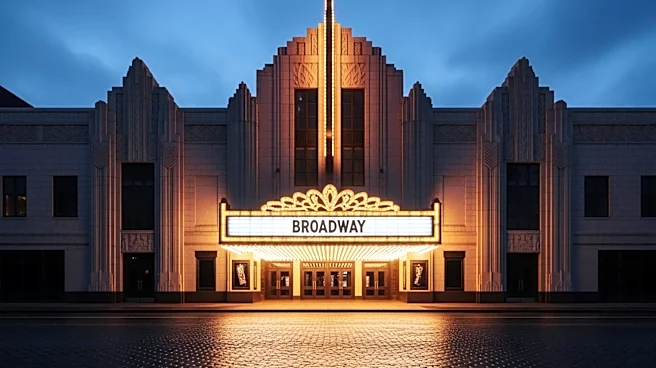







Jamaica, a musical that premiered on Broadway in 1957, is more than just a theatrical production; it is a cultural artifact that reflects the social dynamics of its time. With music by Harold Arlen and lyrics by E.Y. Harburg, the musical tells the story of a small island community off the coast of Jamaica, grappling with the encroachment of American commercialism. Featuring stars like Lena Horne and Ricardo Montalbán, Jamaica not only entertained
audiences but also sparked conversations about consumerism and cultural identity.
The Story Behind Jamaica
Set on a small island, Jamaica explores the tension between traditional island life and the allure of modern conveniences. The protagonist, Savannah, dreams of escaping to New York City, tempted by the promise of a better life offered by a visiting businessman. However, her plans are disrupted when Koli, a local fisherman, saves her brother during a hurricane, leading her to reconsider her choices. This narrative highlights the universal theme of choosing between personal desires and community values, resonating with audiences who were experiencing similar societal shifts.
The musical's setting and characters serve as a microcosm of the broader cultural exchanges happening during the 1950s. As American commercialism began to spread globally, many communities faced the challenge of preserving their cultural heritage while adapting to new influences. Jamaica captures this struggle, using humor and satire to address serious topics like evolution, nuclear energy, and consumerism.
The Music and Its Influence
Harold Arlen's music for Jamaica parodies the popular Calypso style, which was gaining popularity in the 1950s thanks to artists like Harry Belafonte. Originally written for Belafonte, the musical was adapted to showcase Lena Horne's talents after Belafonte withdrew due to illness. The music not only entertained but also served as a vehicle for social commentary, with songs addressing issues that remain relevant today.
The musical's score includes memorable numbers like "Push the Button" and "Yankee Dollar," which critique the impact of consumerism and technological advancement. These songs, along with others in the production, helped to cement Jamaica's place in Broadway history as a work that challenged audiences to think critically about the world around them.
Legacy and Continued Relevance
Jamaica closed after 558 performances, but its impact continues to be felt. The themes it explored are still pertinent, as societies worldwide grapple with the effects of globalization and cultural homogenization. The musical's success paved the way for future productions that dared to tackle complex social issues, proving that theater can be both entertaining and thought-provoking.
Today, Jamaica is remembered not only for its star-studded cast and catchy tunes but also for its bold exploration of cultural identity and resistance to commercial pressures. As audiences continue to enjoy revivals and recordings, the musical remains a testament to the power of art to reflect and influence society.