

Pininfarina, an Italian car design firm and coachbuilder, has a storied history that spans nearly a century. Founded in 1930 by Battista "Pinin" Farina, the company has evolved from a small coachbuilding firm into a global design powerhouse. This article explores the key milestones and transformations that have defined Pininfarina's journey, highlighting its impact on the automotive industry and beyond.
Early Beginnings and Growth
Pininfarina's origins can be traced back to 1930
when Battista Farina established the company with the help of his wife's family and Vincenzo Lancia. Initially named Carrozzeria Pinin Farina, the firm started with a modest team of eighteen employees, producing fifty automobile bodies in its first year. The company quickly gained a reputation for its craftsmanship, building bodies for prestigious brands like Lancia, Alfa Romeo, and Rolls-Royce during the 1930s.
The outbreak of World War II halted automobile production, but Pininfarina adapted by manufacturing ambulances and searchlight carriages. Despite the destruction of its factory by Allied bombers, the company persevered and resumed operations after the war. In a bold move, Battista and his son Sergio drove two of their cars to the 1946 Paris Motor Show, defying a ban on Italian manufacturers. This act of defiance showcased Pininfarina's resilience and commitment to innovation.
Post-War Expansion and Innovation
The post-war era marked a period of significant growth and innovation for Pininfarina. The company gained international recognition with the design of the Cisitalia 202 Coupé, which was honored in the Museum of Modern Art's "Eight Automobiles" exhibit in 1951. This success opened doors to collaborations with American manufacturers, including Nash Motors, which helped Pininfarina establish a foothold in the U.S. market.
Pininfarina's partnership with Ferrari, which began in 1951, became one of the most enduring and successful collaborations in automotive history. Over the next six decades, Pininfarina designed over 200 Ferrari models, solidifying its reputation as a premier design firm. The company's ability to blend aesthetics with engineering excellence set new standards in the industry.
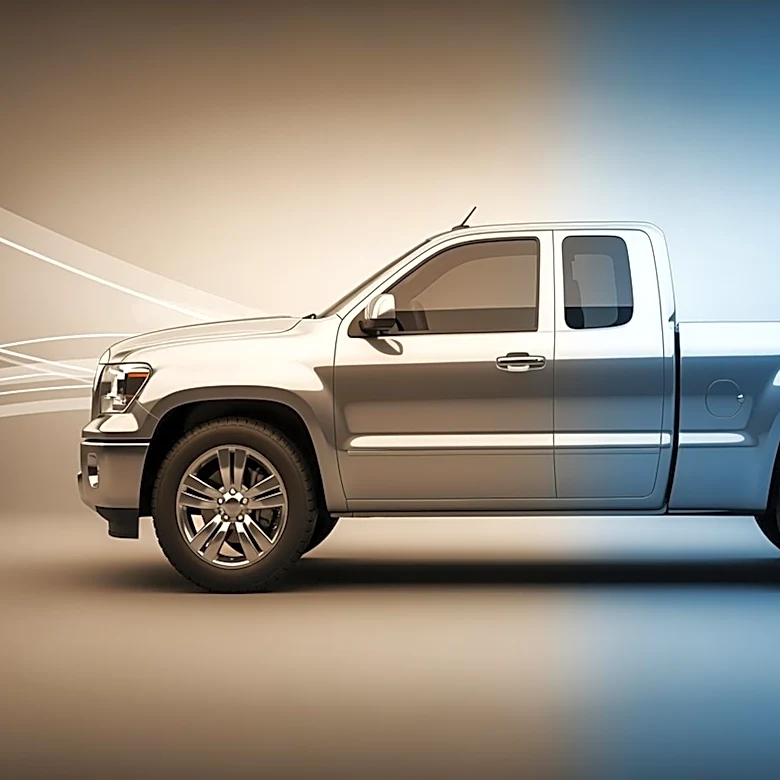
In the 1960s, Pininfarina continued to innovate by investing in the science of automotive design. The establishment of the Studies and Research Centre in 1966 and the construction of a full-sized wind tunnel in 1972 positioned Pininfarina at the forefront of technological advancements in car design.
Modernization and Global Reach
The 1980s and beyond saw Pininfarina expand its reach beyond automotive design. The company diversified into industrial design, architecture, and graphic design through the creation of "Pininfarina Extra" in 1986. This move allowed Pininfarina to apply its design expertise to a wide range of industries, from yachts and airplanes to furniture and consumer electronics.
Pininfarina's global presence was further strengthened by strategic partnerships and joint ventures. In 2003, the company established Pininfarina Sverige AB in collaboration with Volvo Cars to produce the Volvo C70 convertible. This venture exemplified Pininfarina's ability to adapt to changing market demands and leverage its design capabilities on an international scale.
In 2015, Pininfarina was acquired by the Indian multinational Mahindra Group, marking a new chapter in its history. This acquisition provided Pininfarina with the resources to continue its legacy of innovation and design excellence. Today, Pininfarina remains a symbol of Italian craftsmanship and creativity, with a global footprint that extends across Europe, Asia, and the Americas.
Pininfarina's journey from a small coachbuilder to a global design icon is a testament to its enduring commitment to innovation and excellence. Through its collaborations with leading automotive manufacturers and its expansion into diverse industries, Pininfarina has left an indelible mark on the world of design. As the company continues to evolve, it remains poised to shape the future of mobility and design for generations to come.