



Collagen is not only a structural protein but also a key player in tissue regeneration and reconstructive surgery. Its unique properties make it an ideal material for supporting the growth and repair of tissues, leading to its widespread use in medical applications. This article examines how collagen contributes to tissue regeneration and its role in reconstructive surgery.
Collagen Scaffolds in Tissue Regeneration
In tissue regeneration, collagen serves as a scaffold that supports the deposition
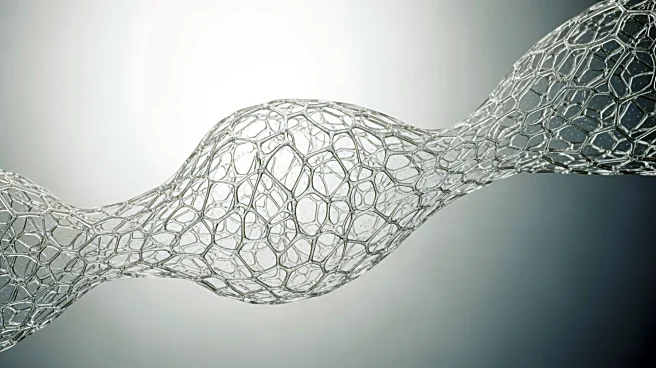
and growth of cells. These scaffolds can take various forms, such as sponges, thin sheets, gels, or fibers, each tailored to specific regenerative needs. Collagen's favorable properties, including its pore structure, permeability, and stability in vivo, make it an excellent choice for facilitating normal tissue growth.
Collagen scaffolds are particularly effective in supporting the deposition of osteoblasts and fibroblasts, cells that are crucial for bone and connective tissue formation. Once inserted into the body, these scaffolds provide a framework that guides cell growth and tissue development, ultimately leading to the regeneration of damaged or lost tissues.
Applications in Reconstructive Surgery
Collagen's role in reconstructive surgery is significant, especially in the construction of artificial skin substitutes. These substitutes are used to manage severe burns and wounds, providing a temporary covering that supports healing while protecting the underlying tissue. Collagen used in these applications may be derived from various sources, including cow, horse, pig, or even human tissues.
In reconstructive surgery, collagen is often combined with other materials, such as silicones, glycosaminoglycans, fibroblasts, and growth factors, to enhance its effectiveness. These combinations create a more comprehensive solution that mimics the natural properties of skin, promoting faster and more effective healing.
The Future of Collagen in Medical Applications
The use of collagen in tissue regeneration and reconstructive surgery continues to evolve, with ongoing research exploring new ways to enhance its properties and applications. Advances in biotechnology and materials science are paving the way for more sophisticated collagen-based products that offer improved outcomes for patients.
As our understanding of collagen's role in tissue regeneration deepens, its potential applications in medicine are likely to expand. From supporting wound healing to enabling complex reconstructive procedures, collagen remains a vital component in the quest to restore and enhance human health. Its versatility and effectiveness make it an indispensable tool in modern medical practice.