



Pickling is a preservation technique with a rich history that dates back thousands of years. This method has been used across various cultures to extend the shelf life of perishable foods, ensuring a stable food supply throughout the year. From its origins in ancient civilizations to its modern-day applications, pickling has played a crucial role in human history. This article explores the historical evolution of pickling and its enduring significance.
Ancient Origins
The practice of pickling can be traced back to ancient Persia and Mesopotamia around 2400 BCE. Archaeological evidence suggests that cucumbers were being pickled in the Tigris Valley as early as 2030 BCE. The technique quickly spread throughout the Middle East, eventually reaching the Maghreb, Sicily, and Spain, and from there, it made its way to the Americas.
In ancient Egypt, Greece, and Rome, pickling was a common method of food preservation. Cleopatra, the Egyptian pharaoh, famously credited pickles in her diet for her good health and beauty. Roman emperors also believed in the strength-enhancing properties of pickles, incorporating them into their troops' diets to improve their fitness for battle.
Pickling in the Age of Exploration
During the Age of Exploration, pickling became an essential method for preserving food on long sea voyages. Sailors relied on pickled foods, such as salt pork and salt beef, to sustain them during their journeys. The ability to preserve food for extended periods was crucial for explorers venturing into unknown territories.
Pickling also played a role in improving the nutritional value of food. The fermentation process involved in pickling can introduce B vitamins, which are beneficial for health. This added nutritional benefit made pickled foods even more valuable during times when fresh produce was scarce.
Modern-Day Pickling
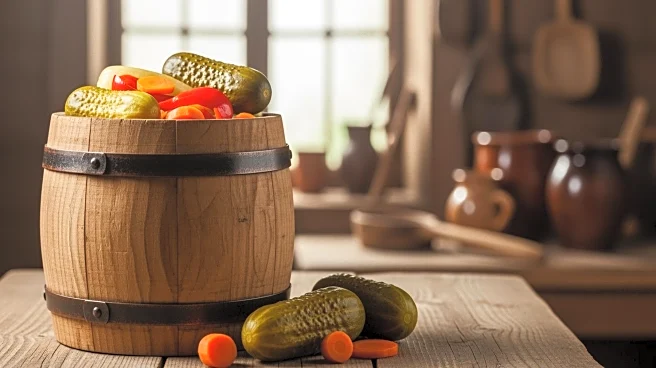
Today, pickling remains a popular method of food preservation, celebrated for its ability to transform the taste and texture of foods. While the primary purpose of pickling is still preservation, many people enjoy pickled foods for their unique flavors. The process has evolved to include a wide variety of ingredients, from traditional cucumbers and cabbage to more exotic fruits and vegetables.
In addition to its culinary applications, pickling has also become a cultural tradition in many regions. Families pass down pickling recipes through generations, preserving not only food but also cultural heritage. Whether it's the spicy pickles of South Asia or the tangy sauerkraut of Eastern Europe, pickling continues to be a cherished practice worldwide.
The historical evolution of pickling highlights its enduring significance as a method of food preservation. From ancient civilizations to modern kitchens, pickling has stood the test of time, adapting to the needs and tastes of each era.