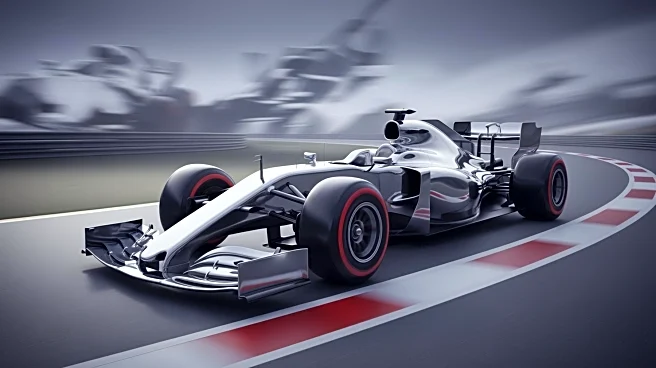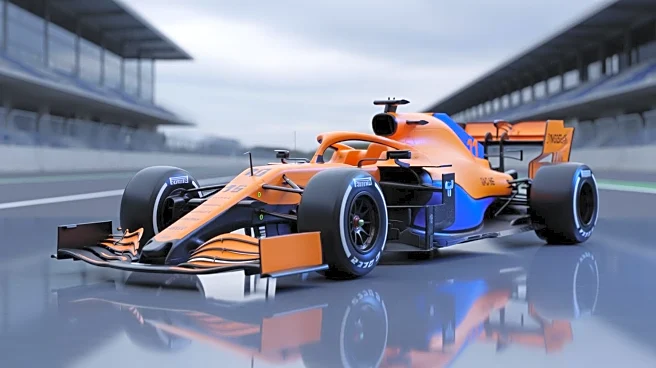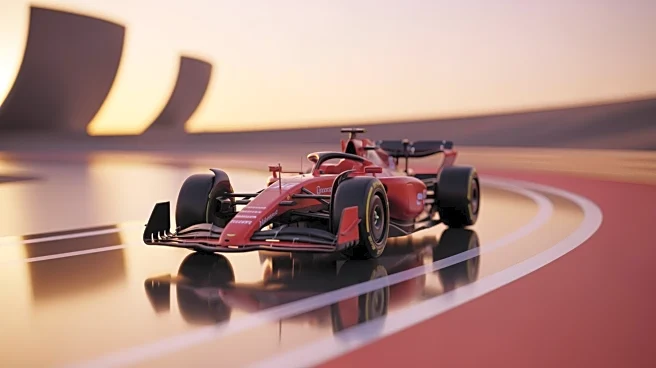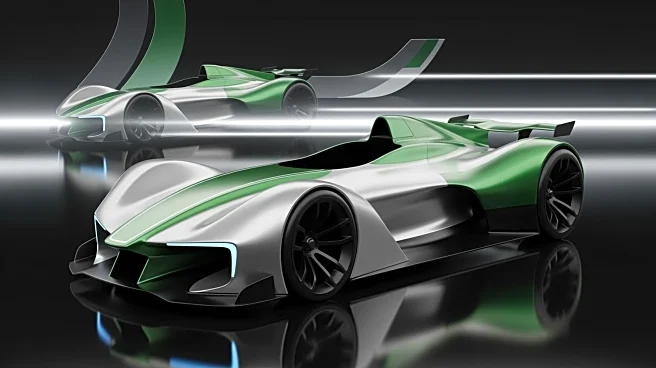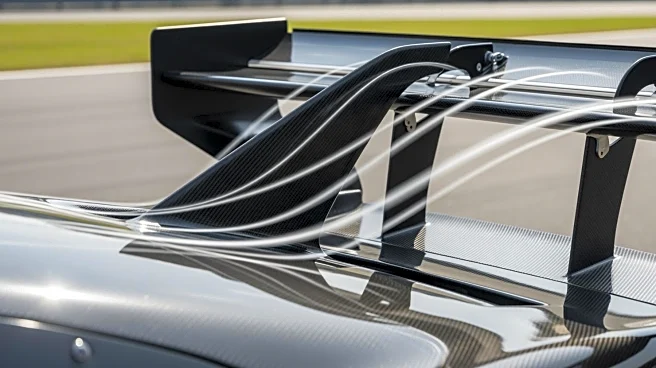

Rear wings are a crucial component in the design of racing cars, particularly in high-speed competitions like Formula 1. These aerodynamic devices are designed to reduce drag and increase speed, allowing
cars to perform optimally on the track. By understanding the function and adjustment of rear wings, we can appreciate their impact on racing car performance.
Enhancing Speed and Stability
Rear wings are primarily used to enhance the speed and stability of racing cars. By reducing aerodynamic drag, these wings allow cars to move faster along the track. The design of a rear wing is such that it generates downforce, which helps keep the car stable at high speeds. This downforce is crucial for maintaining grip on the track, especially during cornering, where stability is paramount.
In addition to providing stability, rear wings also play a role in promoting overtaking. By lowering aerodynamic resistance, they enable cars to achieve higher speeds, making it easier for drivers to overtake competitors. This aspect of rear wing design is particularly important in racing formats where overtaking is a key element of the competition.
Adjustable Aerodynamics
One of the unique features of rear wings is their adjustability. Drivers can modify the angle of the wing to optimize performance based on track conditions. This adjustability allows for a balance between downforce and drag, which can be fine-tuned to suit different sections of a race track. For instance, on straights, a lower angle might be used to reduce drag and increase speed, while a higher angle might be employed in corners to enhance grip and stability.
The ability to adjust rear wings on the fly gives drivers a strategic advantage, allowing them to adapt to changing conditions and maintain optimal performance throughout a race. This feature is a testament to the sophisticated engineering that goes into the design of modern racing cars.
Impact on Racing Strategy
The design and adjustment of rear wings have a significant impact on racing strategy. Teams must carefully consider the aerodynamic setup of their cars to ensure they are competitive. This involves not only the design of the rear wing but also its integration with other aerodynamic elements like front splitters and flaps.
In racing, where fractions of a second can make the difference between winning and losing, the role of rear wings cannot be overstated. They are a key factor in the overall aerodynamic package of a racing car, influencing everything from speed and stability to fuel efficiency and tire wear. As such, they are an essential consideration in the development and tuning of racing vehicles.