






Breeding neon tetras, scientifically known as Paracheirodon innesi, presents a unique set of challenges for aquarium enthusiasts. Despite their popularity, successfully breeding these vibrant fish in home aquariums is considered difficult. This article examines the breeding process, the challenges faced by aquarists, and the techniques that can increase the likelihood of success.
Breeding Conditions
Neon tetras require specific conditions to breed successfully. The water
must be extremely soft, with a pH of about 5.5 and a temperature of 75 degrees Fahrenheit. Additionally, the presence of tannins in the water, often achieved through peat, is crucial. Dim lighting and a densely planted environment that mimics their natural habitat are also necessary to encourage spawning.
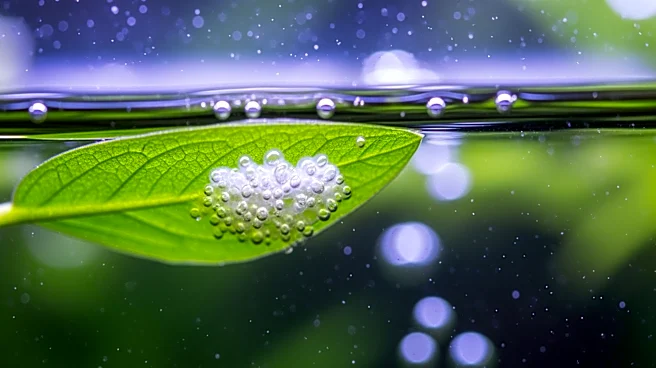
Neon tetras are old enough to breed at 12 weeks, and they spawn in schools. During the actual act of spawning, one female may be closely associated with one or more males. A female can lay about 130 eggs per batch, and the parents should be removed after spawning to prevent them from eating the eggs. The eggs are light-sensitive and should be kept in darkness to ensure successful hatching.
Challenges in Breeding
Breeding neon tetras in home aquariums is challenging due to the precise conditions required for successful spawning. The water parameters must be carefully monitored and maintained, which can be difficult for novice aquarists. Additionally, the eggs and fry are extremely sensitive to light and require specific care to ensure their survival.
Despite these challenges, breeding neon tetras is becoming more common, with less than 5% of specimens sold in America caught in the wild. More than 1.5 million specimens are imported to America each month from fish farms, indicating a growing interest in captive breeding.
Techniques for Success
To increase the chances of successful breeding, aquarists should focus on creating an environment that closely resembles the neon tetra's natural habitat. This includes maintaining optimal water conditions, providing ample plant cover, and ensuring dim lighting. Regular monitoring of water parameters and careful handling of eggs and fry are essential.
Feeding the fry with infusoria (protozoa) is necessary early on, as they are very small. As they grow, their diet can be supplemented with fine commercial fry foods. Adults can breed again after a few weeks, allowing aquarists to refine their techniques and improve their success rates.
Breeding neon tetras requires patience and attention to detail, but the rewards of successfully raising these vibrant fish are well worth the effort. With the right conditions and techniques, aquarists can enjoy the satisfaction of contributing to the continued popularity and availability of neon tetras in the aquarium trade.