




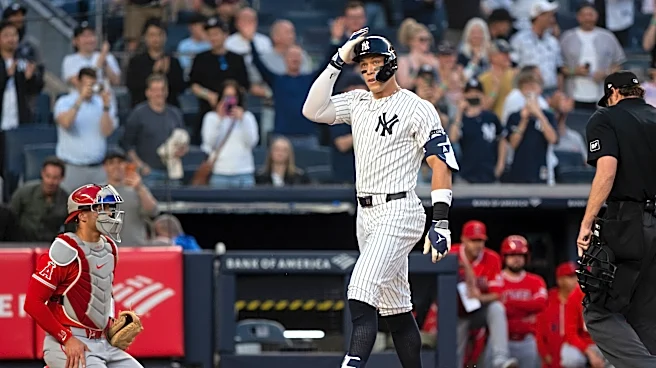

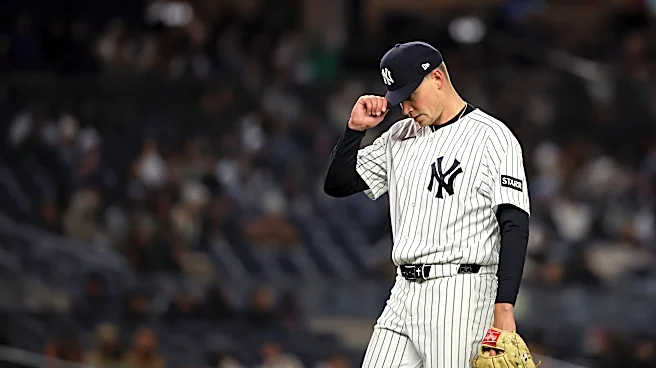
Yankee Stadium, opened in 1923, was more than just a baseball field; it was a cultural icon that hosted a variety of events over its 85-year history. Known as "The House That Ruth Built," it was primarily the home of the New York Yankees but also served as a venue for football games, boxing matches, concerts, and even Papal visits. This article explores the diverse events that took place at Yankee Stadium and its lasting impact on American culture.
A Home for Baseball and Beyond
Yankee Stadium was synonymous with baseball, serving as the home field for the New York Yankees for over eight decades. The stadium witnessed countless memorable moments in baseball history, including legendary performances by Babe Ruth and other members of the Yankees' famed "Murderers' Row." However, its role extended beyond baseball. The stadium also hosted football games, particularly those involving the New York Giants, showcasing its versatility as a sports venue.
In addition to sports, Yankee Stadium was a stage for significant cultural events. It hosted numerous boxing matches, drawing large crowds eager to witness the sport's biggest names in action. The stadium's ability to accommodate such a wide range of events made it a central hub for entertainment in New York City.
A Venue for Iconic Performances
Yankee Stadium was not only a sports venue but also a site for unforgettable concerts and performances. Over the years, it welcomed some of the biggest names in music, providing a platform for artists to perform in front of thousands of fans. These concerts added to the stadium's reputation as a cultural landmark, attracting diverse audiences and contributing to its storied legacy.
The stadium's significance was further highlighted by its role in hosting Papal visits. These visits drew massive crowds and underscored the stadium's ability to serve as a gathering place for people of all backgrounds and beliefs. Such events reinforced Yankee Stadium's status as a venue of national importance.
The Enduring Impact of Yankee Stadium
Yankee Stadium's influence extended beyond the events it hosted. It became a symbol of New York City and an integral part of its identity. The stadium's nickname, "The House That Ruth Built," reflects its deep connection to baseball history and its role in shaping the sport's narrative.
Even after its closure in 2008 and subsequent demolition in 2009, the legacy of Yankee Stadium lives on. Its impact on sports, culture, and the city of New York remains significant, serving as a reminder of the stadium's multifaceted role in American history. Yankee Stadium was more than just a venue; it was a cultural institution that left an indelible mark on the nation.