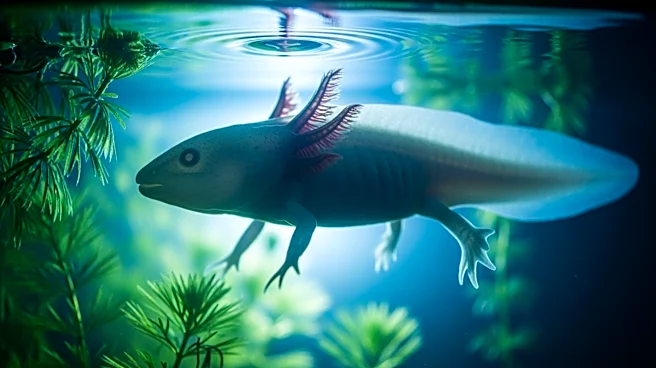







The axolotl, a fascinating creature native to Mexico, is renowned for its unique biological characteristics. Unlike most amphibians, the axolotl retains its larval features throughout its life, a condition known as neoteny. This aquatic salamander is also celebrated for its extraordinary ability to regenerate lost body parts, making it a subject of extensive scientific research. This article delves into the axolotl's distinctive biology, focusing
on its neoteny, regenerative capabilities, and the genetic factors that contribute to these traits.
Neoteny: A Life in Water
The axolotl is a neotenic species, meaning it reaches sexual maturity without undergoing the typical metamorphosis seen in other amphibians. While most salamanders transition from an aquatic larval stage to a terrestrial adult form, the axolotl remains aquatic throughout its life. This is due to a lack of thyroid-stimulating hormone, which prevents the production of thyroxine, the hormone necessary for metamorphosis. As a result, axolotls retain their external gills and other larval features into adulthood.
This neotenic trait is thought to be an evolutionary adaptation to the axolotl's high-altitude habitat, where the terrestrial environment is risky and less suitable for survival. By remaining aquatic, axolotls can thrive in their native lakes, where they have access to abundant food and a stable environment. This unique adaptation has allowed the axolotl to survive in conditions that might otherwise be inhospitable.
Regeneration: Nature's Miracle
One of the most remarkable features of the axolotl is its ability to regenerate lost body parts. Unlike most animals, which heal wounds with scar tissue, axolotls can regrow entire limbs, tails, and even parts of their heart and brain. This regenerative ability is not only complete but also functional, allowing the axolotl to restore its body to its original state.
The process of regeneration begins with the formation of a wound epithelium, followed by the development of a blastema, a mass of cells capable of growth and regeneration. These cells then differentiate into the various tissues needed to reconstruct the lost body part. Scientists are particularly interested in the axolotl's ability to regenerate nerve tissue, as this could have significant implications for medical research and regenerative medicine.
Genetic Insights into Regeneration
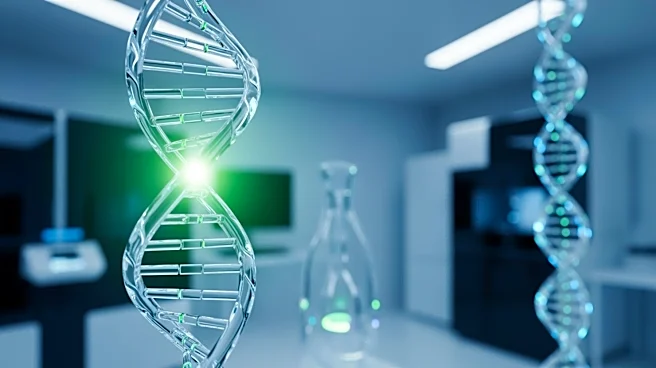
The axolotl's regenerative abilities are linked to its genetic makeup. The axolotl genome is one of the largest ever sequenced, containing 32 billion base pairs, which is about ten times the size of the human genome. This vast genetic material includes specific pathways that are believed to be responsible for the axolotl's ability to regenerate.
Interestingly, the axolotl lacks the Pax3 gene, which is present in other salamanders. Instead, the function of Pax3 is taken over by Pax7, which may play a role in the axolotl's unique regenerative processes. Understanding these genetic factors could provide valuable insights into how regeneration works and how it might be applied to human medicine.
In conclusion, the axolotl's unique biology, characterized by its neoteny and regenerative abilities, makes it a subject of great interest in the scientific community. By studying this remarkable creature, researchers hope to unlock the secrets of regeneration and apply these findings to improve human health and medicine.