




Hair straightening is not just a cosmetic practice; it holds deep cultural and social significance, especially within African American communities. This article explores the cultural impact of hair straightening, highlighting its role in identity, beauty standards, and societal perceptions.
Hair Straightening and Identity
For many African American women, hair straightening has been a way to navigate societal beauty standards that often favor European ideals. The practice of straightening hair dates
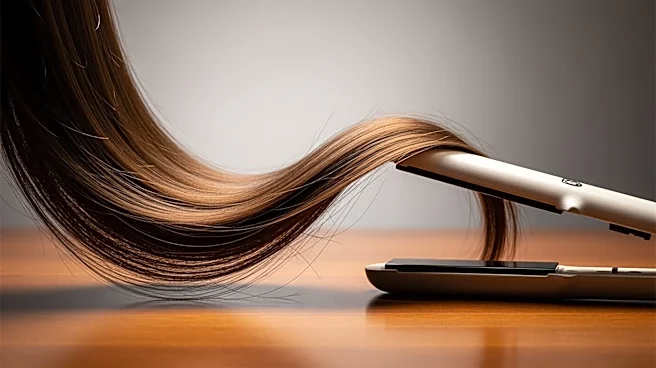
back to the early 20th century when hot tools became widespread. Straight hair was seen as a strategy for safety and employment in a society marked by racism.
Madame C.J. Walker played a pivotal role in popularizing hair straightening among African American women. Her system of chemical scalp preparation and straightening lotions offered a way to achieve straight hair, aligning with the beauty norms of the time. The use of hot combs and other tools became a cultural practice, symbolizing a blend of personal expression and societal adaptation.
The Natural Hair Movement and Modern Trends
In recent years, the natural hair movement has gained momentum, challenging traditional beauty standards and promoting the acceptance of natural hair textures. This movement has led to a resurgence of non-chemical straightening methods, such as the silk press, which offers a temporary way to achieve straight hair without damaging the scalp.
The silk press has become associated with professional Black women in the workplace, reflecting a shift towards embracing natural beauty while still conforming to professional norms. Prominent figures like Michelle Obama and Kamala Harris have brought attention to the silk press, showcasing its versatility and cultural relevance.
Hair Straightening in Popular Culture
Hair straightening has also made its mark in popular culture, with iconic figures like Clair Huxtable from The Cosby Show and singer Aaliyah sporting straight hairstyles. These representations have influenced perceptions of beauty and professionalism, highlighting the role of hair in shaping cultural identity.
The cultural significance of hair straightening is multifaceted, encompassing themes of identity, beauty, and societal expectations. As the natural hair movement continues to evolve, the practice of hair straightening remains a powerful symbol of personal expression and cultural heritage.