



The Battle of Palmito Ranch, fought on May 12-13, 1865, in Texas, holds the distinction of being the last land battle of the American Civil War. Despite the war's official end with General Robert E. Lee's surrender in April 1865, this battle occurred due to a series of unique circumstances. This article delves into the events surrounding the battle and its significance in the broader context of the Civil War.
Prelude to the Battle
The Battle of Palmito Ranch took place
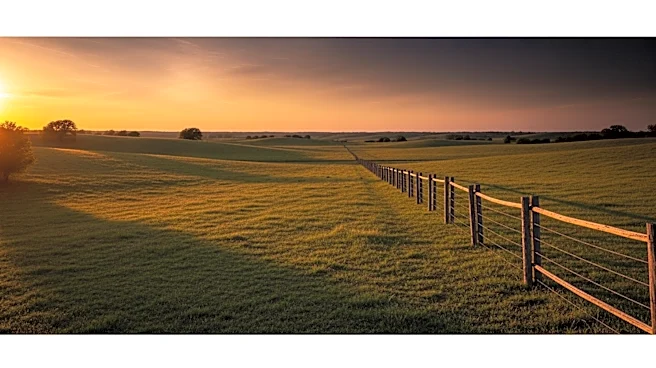
near Brownsville, Texas, along the Rio Grande. By this time, the Confederate forces were aware of the surrender at Appomattox Court House, but communication delays meant that not all troops had received the news. Union Colonel Theodore H. Barrett initiated the engagement for reasons that remain unclear, leading to a confrontation with Confederate forces.
The Union forces, including the 34th Indiana Infantry Regiment, moved from Brazos Santiago to engage the Confederates. Despite the Union's numerical advantage, the Confederate forces, led by Colonel John S. Ford, were well-prepared and familiar with the terrain. This familiarity played a crucial role in the battle's outcome.
The Battle Unfolds
On May 12, Union forces advanced towards Palmito Ranch, encountering Confederate pickets. The initial skirmishes were inconclusive, but the Union forces managed to capture a few prisoners. However, the following day, the Confederates launched a counterattack, utilizing their knowledge of the local geography to their advantage.
The battle saw the use of artillery by the Union forces, but the Confederates managed to outmaneuver them. The Union troops were eventually forced to retreat, and the Confederates claimed victory. Despite being the last battle of the Civil War, it was a Confederate success, highlighting the complexities and unpredictability of warfare.
Aftermath and Legacy
The Battle of Palmito Ranch is significant not only for its timing but also for its impact on the soldiers involved. Private John J. Williams of the 34th Indiana Infantry Regiment was killed during the battle, becoming the last soldier to die in the American Civil War. His death symbolizes the lingering violence and tragedy of a war that had officially ended.
The battle's legacy is a reminder of the challenges faced in reconciling a nation torn apart by conflict. It underscores the importance of communication and the human cost of war. Today, the Battle of Palmito Ranch is remembered as a poignant conclusion to the American Civil War, marking the end of a tumultuous chapter in U.S. history.