



Body lotion is a complex product that combines science and art to deliver effective skincare solutions. The production process involves creating emulsions that blend oil and water, stabilized by emulsifiers. This article delves into the manufacturing of body lotion, exploring the key ingredients and steps involved in creating these popular skincare products.
The Emulsion Process
The foundation of body lotion is its emulsion, a mixture of oil and water that provides the
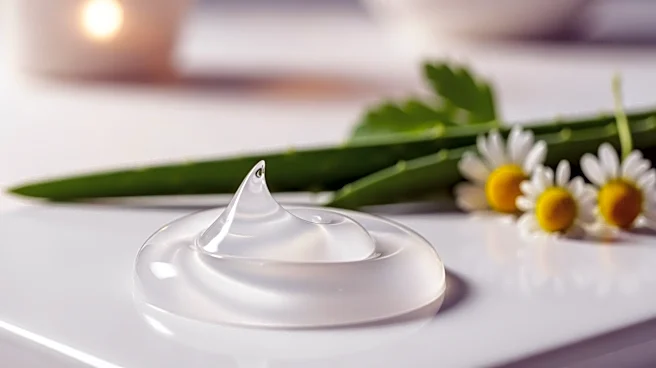
desired texture and absorption properties. Most commercial lotions are oil-in-water emulsions, where oil droplets are dispersed in water. This type of emulsion is favored for its light feel and quick absorption.
The production process typically begins with the preparation of the oil phase, where emollients and lubricants are blended with thickening agents. Simultaneously, the water phase is prepared, containing emulsifiers and stabilizers. These two phases are then mixed to form the emulsion, often aided by heating to achieve the desired viscosity.
Key Ingredients
Body lotions contain a variety of ingredients that contribute to their effectiveness and appeal. Emulsifiers like cetearyl alcohol prevent the separation of oil and water, ensuring a stable product. Fragrances, glycerol, petroleum jelly, dyes, and preservatives are commonly added to enhance the lotion's sensory properties.
Active ingredients may also be included, depending on the lotion's intended function. For example, non-comedogenic agents are used in lotions designed for acne-prone skin, while anti-aging compounds are added to formulations targeting mature skin. These ingredients are carefully selected to provide specific benefits while maintaining the lotion's overall stability.
Manufacturing Challenges
Producing body lotion involves several challenges, particularly in achieving the right balance between oil and water. The sensory properties of the lotion, such as texture and absorption, are influenced by this balance, requiring precise control during manufacturing.
Additionally, the inclusion of active ingredients can complicate the production process. These substances must be evenly dispersed within the emulsion to ensure consistent efficacy. Manufacturers must also consider potential interactions between ingredients, which could affect the lotion's stability or performance.
In summary, the production and composition of body lotion are intricate processes that require careful attention to detail. By understanding the emulsion process and key ingredients, consumers can appreciate the complexity behind these everyday skincare products. As the industry continues to innovate, body lotions will likely incorporate new technologies and ingredients, further enhancing their effectiveness and appeal.