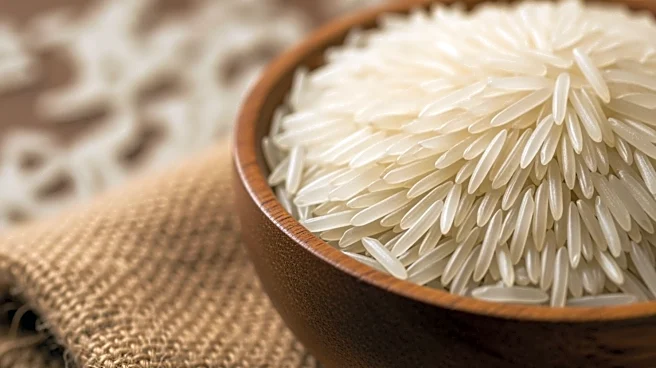

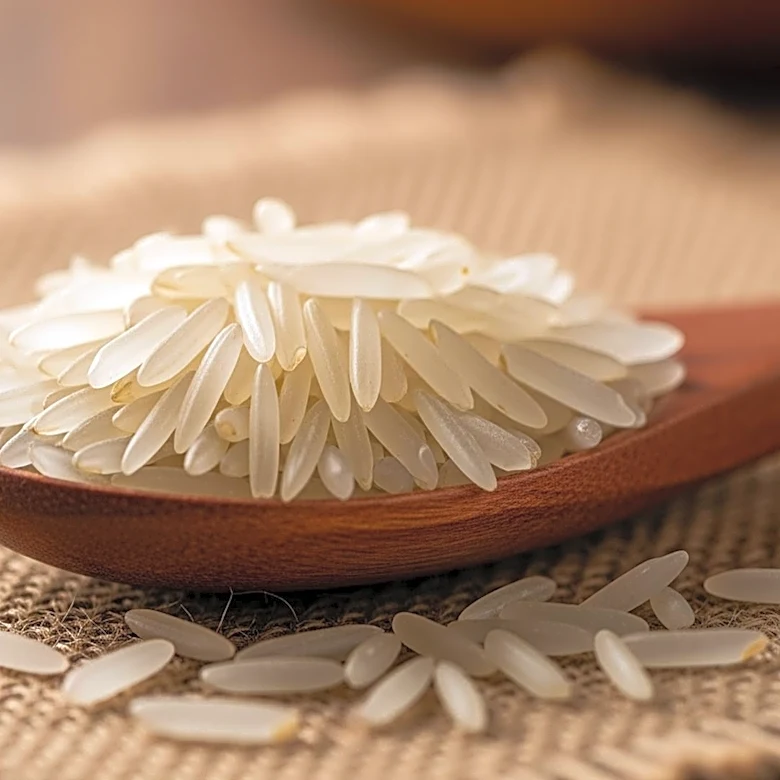




Basmati rice is not only a culinary delight but also a significant player in the global trade market. This article examines the economic impact of Basmati rice, its role in international trade, and the factors contributing to its global demand.
Economic Significance
Basmati rice is a major export commodity for India and Pakistan, the two primary producers of this aromatic rice variety. As of 2019, India accounted for 65% of the international trade in Basmati rice, while
Pakistan contributed the remaining 35%. The export of Basmati rice has become a vital source of foreign exchange for these countries, contributing significantly to their economies.
In the fiscal year 2015-2016, India exported Basmati rice worth $3.4 billion, with annual exports surpassing $4 billion from 2018 to 2021. The major destinations for Indian Basmati rice exports include Saudi Arabia, Iran, and the United Arab Emirates, which together accounted for more than half of India's total Basmati exports during that period. Other countries importing Basmati rice from India include Australia, Canada, the European Union, South Africa, New Zealand, Turkey, the United Kingdom, and the United States.
Factors Driving Global Demand
The global demand for Basmati rice is driven by its unique aroma, flavor, and texture, which make it a preferred choice for various culinary applications. The increasing popularity of Indian and Pakistani cuisine worldwide has also contributed to the rising demand for Basmati rice. As more people become familiar with dishes like biryani and pilaf, the demand for authentic ingredients, including Basmati rice, continues to grow.
Additionally, the health benefits associated with Basmati rice, such as its medium glycemic index, make it an attractive option for health-conscious consumers. The growing interest in organic and sustainably produced food has further fueled the demand for organic Basmati rice, prompting producers to increase their organic cultivation efforts.
Challenges and Opportunities
Despite its popularity, the Basmati rice trade faces challenges, including issues related to adulteration and quality control. The significant price difference between genuine Basmati rice and other rice varieties has led to instances of fraudulent practices, where Basmati rice is adulterated with cheaper long-grain rice. To combat this, exporters use DNA-fingerprinting-based certification to ensure the authenticity of their Basmati rice consignments.
The global trade of Basmati rice presents both challenges and opportunities for producers and exporters. As demand continues to grow, maintaining quality and authenticity will be crucial to sustaining the economic impact of this valuable commodity. With ongoing efforts to improve cultivation practices and expand organic production, Basmati rice is poised to remain a significant player in the global trade market.