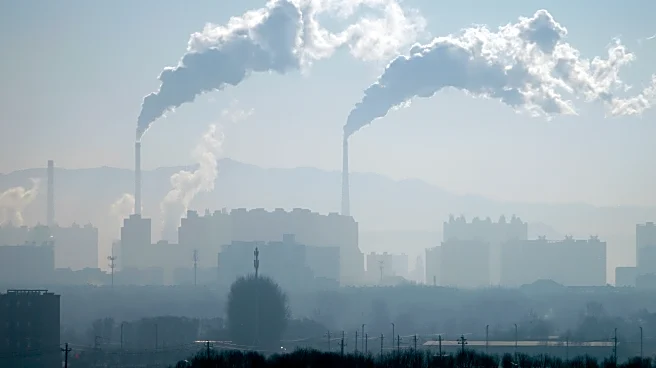



Carbon capture and storage (CCS) is a technology aimed at reducing carbon dioxide emissions from industrial sources. While it holds promise for mitigating climate change, CCS also presents several environmental challenges. These challenges include increased energy and water requirements, potential pollution, and the risk of carbon dioxide leakage. Understanding these impacts is crucial for evaluating the viability of CCS as a long-term solution.
Energy and Water Requirements
One
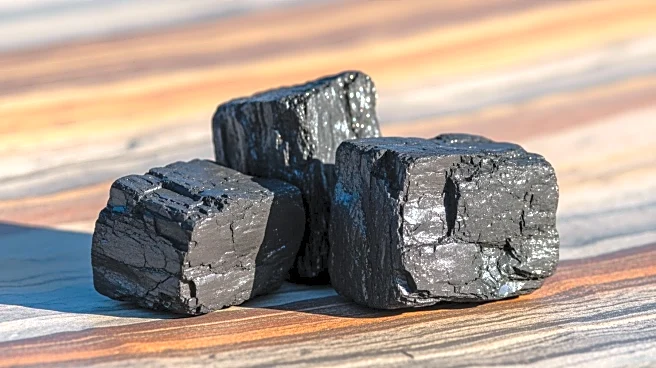
of the primary environmental challenges of CCS is its significant energy and water requirements. Facilities equipped with CCS technology consume more energy than those without it. This additional energy demand, known as the "energy penalty," varies depending on the source of carbon dioxide. For instance, coal power plants with CCS may need to burn 14-40% more coal to produce the same amount of electricity. This increased fuel consumption leads to higher emissions and environmental degradation associated with fossil fuel extraction and transportation.
Moreover, CCS can require substantial amounts of water, particularly in coal-fired power plants. These plants may need up to 50% more water, which can strain local water resources and ecosystems. The increased water usage is primarily due to the cooling and processing requirements of the CCS technology. As a result, the environmental footprint of CCS extends beyond carbon emissions, impacting water availability and quality.
Pollution Concerns
CCS technology can also exacerbate pollution issues. Since plants with CCS require more fuel, they contribute to "upstream" environmental problems associated with fossil fuels. These problems include pollution from coal mining, emissions from fuel transportation, and methane emissions from gas flaring. Additionally, the use of liquid amine solutions in many CCS systems can lead to the release of air pollutants if not adequately controlled. Chemicals such as volatile nitrosamines and nitramines, which are carcinogenic, pose health risks if they enter the air or water supply.
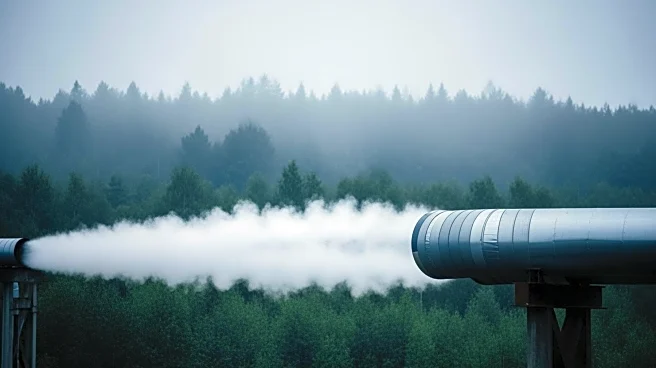
The construction of pipelines for transporting captured carbon dioxide can further impact the environment. Pipeline construction can disrupt wildlife habitats and pose social harms to Indigenous communities. These environmental and social concerns highlight the need for careful planning and regulation in CCS projects.
Leakage Risks and Long-Term Storage
A significant concern with CCS is the risk of carbon dioxide leakage from storage sites. While well-managed sites are likely to retain over 99% of injected carbon dioxide for more than a thousand years, the potential for leakage remains. If carbon dioxide escapes from storage, it could negate the benefits of CCS and pose risks to nearby communities and ecosystems.
Long-term storage challenges also include the possibility of induced seismicity. Injecting carbon dioxide underground can increase pressure, potentially causing fractures or earthquakes. Although research suggests these earthquakes would be too small to damage property, they could still lead to carbon dioxide leaks. Therefore, continuous monitoring and robust regulatory frameworks are essential to ensure the safety and effectiveness of CCS storage sites.