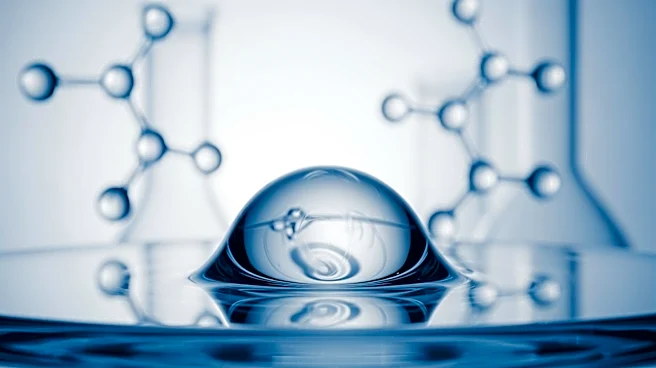






Panthenol, known chemically as 2,4-dihydroxy-N-(3-hydroxypropyl)-3,3-dimethylbutanamide, is a fascinating compound with unique chemical properties. As the alcohol analog of pantothenic acid (vitamin B5), panthenol serves as a provitamin B5, converting to pantothenic acid in the body. This article delves into the chemical characteristics that make panthenol a valuable ingredient in various products.
Chemical Structure and Solubility
Panthenol is a highly viscous, transparent liquid
at room temperature, characterized by its odorless and slightly bitter taste. Its chemical formula, C9H19NO4, reveals a complex structure that includes an asymmetric carbon atom, leading to the existence of two enantiomers: D and L. Only the D-panthenol form is biologically active, although both forms possess moisturizing properties.
The compound is easily soluble in water and alcohol, moderately soluble in diethyl ether, and slightly soluble in glycerin. This solubility profile allows panthenol to be effectively incorporated into a wide range of cosmetic and pharmaceutical formulations. Its ability to dissolve in various solvents makes it versatile for different applications.
Stereochemistry and Biological Activity
The presence of an asymmetric carbon atom in panthenol's structure results in two enantiomers, D and L. The D-panthenol, also known as dexpanthenol, is the biologically active form, playing a crucial role in the conversion to pantothenic acid within the body. This conversion is essential for the biosynthesis of coenzyme A, a vital component in numerous enzymatic reactions and cell growth processes.
Despite the biological activity being limited to the D form, both enantiomers are utilized in cosmetic products due to their shared moisturizing effects. The racemic mixture, DL-panthenol, is often employed in formulations to maximize the benefits of panthenol's hydrating properties.
Physical Characteristics and Applications
Panthenol's physical properties, including its high viscosity and hygroscopic nature, contribute to its effectiveness as a moisturizer. These characteristics enable it to bind to water and retain moisture, making it an ideal ingredient for skin and hair care products. Additionally, its ability to penetrate the skin and mucous membranes enhances its efficacy in promoting hydration and healing.
Overall, the chemical properties of panthenol, from its solubility to its stereochemistry, play a significant role in its widespread use in cosmetics and pharmaceuticals. Understanding these properties provides insight into why panthenol is a preferred choice for enhancing skin and hair health.