


Pagani Automobili, an Italian manufacturer of high-performance sports cars, has carved a niche for itself in the automotive world. Founded in 1992 by Horacio Pagani, the company is renowned for its innovative use of carbon fiber and its limited production models. This article delves into the historical development of Pagani Automobili, highlighting its journey from inception to becoming an iconic brand.
The Early Days and Founding
Horacio Pagani, an Argentine-Italian engineer,
founded Pagani Automobili in 1992. Before establishing his own company, Pagani had gained valuable experience working with Lamborghini, where he managed the composites department. His expertise in carbon fiber technology laid the foundation for Pagani Automobili's future success. In 1988, Pagani founded Pagani Composite Research, which collaborated with Lamborghini on several projects, including the restyling of the Lamborghini Countach 25th Anniversary Edition.
Pagani's vision for his own car began in the late 1980s with the "C8 Project," which he initially planned to name "Fangio F1" in honor of his friend, the legendary Formula One champion Juan Manuel Fangio. However, the name was later changed to Zonda, marking the beginning of a new era for Pagani Automobili.
The Rise of the Zonda
The Zonda C12, Pagani's first model, was unveiled at the 1999 Geneva Motor Show. This debut model featured a mid-mounted V12 engine developed in collaboration with Mercedes-AMG. The Zonda's design drew inspiration from jet fighters and the Sauber-Mercedes Silver Arrow Group C cars, showcasing Pagani's commitment to innovation and performance.
The Zonda series quickly gained recognition for its unique design elements, such as the circular four-pipe exhaust system. Over the years, Pagani introduced several variants of the Zonda, including the Zonda S, Zonda F, and the track-focused Zonda R. Each iteration pushed the boundaries of performance and design, solidifying Pagani's reputation as a leader in the supercar industry.
Expansion and the Huayra
In 2005, Pagani announced plans to expand its production and enter the U.S. market. This expansion was marked by the introduction of the Huayra, a successor to the Zonda. Named after the Quechua god of wind, the Huayra featured a 6.0-liter twin-turbo V12 engine from Mercedes-AMG, producing 730 horsepower.
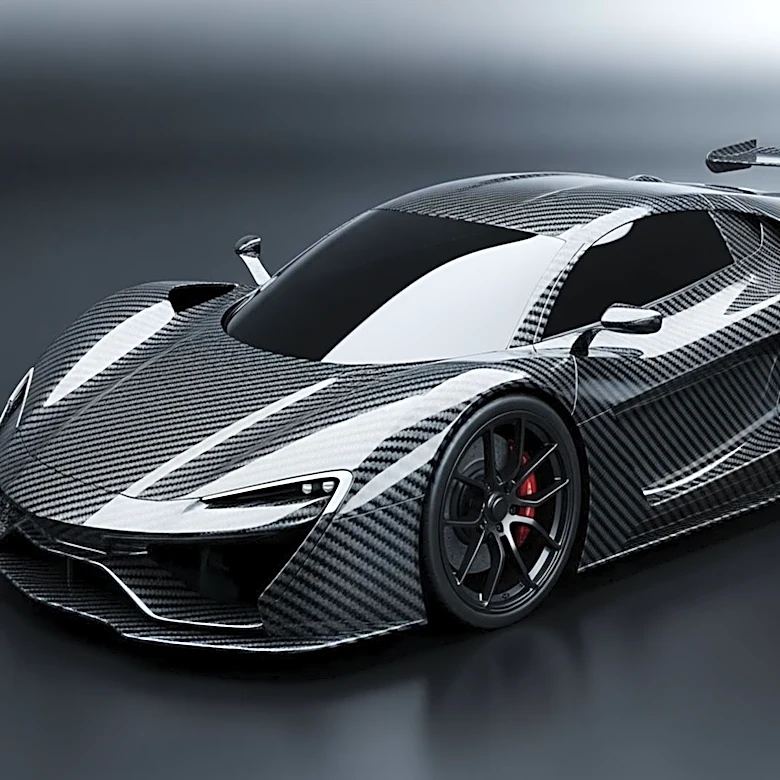
The Huayra's body was constructed from carbotanium, a lightweight composite of carbon fiber and titanium, further showcasing Pagani's expertise in advanced materials. With a top speed of 235 mph, the Huayra continued Pagani's tradition of blending performance with cutting-edge design. The company's commitment to innovation and craftsmanship has ensured its place among the elite in the automotive world.