






Floral design is a captivating art form that involves arranging flowers and plant materials to create visually appealing compositions. This practice, which dates back to ancient civilizations, is guided by a set of principles and elements that ensure each arrangement is both aesthetically pleasing and balanced. Understanding these principles is crucial for anyone interested in the art of floral design, whether as a hobby or a professional pursuit.
The Seven Principles of Floral Design
At the heart of floral design are seven key principles that guide the creation of any arrangement. These principles include proportion, scale, balance, focal point, rhythm, harmony, and unity. Proportion refers to the relationship between the sizes of the elements used, such as flowers, foliage, and containers. Scale, on the other hand, is about the overall size of the design in relation to its setting.
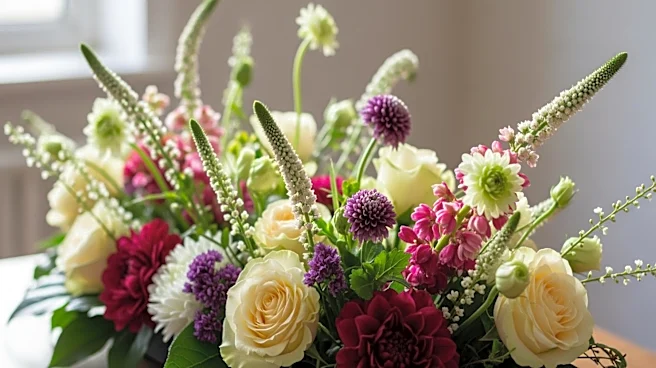
Balance is another critical principle, encompassing both physical and visual balance. Physical balance ensures the arrangement is stable and not at risk of tipping over, while visual balance provides a sense of poise at first glance. This can be symmetrical, asymmetrical, or open. The focal point is the main feature that draws the viewer's eye, while rhythm guides the viewer's gaze through the arrangement using colors, shapes, and textures.
Elements of Design in Floral Arrangements
In addition to the principles, floral designers must also consider five elements of design: line, color, form, space, and texture. Line provides the shape and structure of the design, creating paths for the viewer's eye. It can be defined or implied, helping to build the dimensions of the arrangement. Color schemes, such as monochromatic or complementary, affect the overall feel of the arrangement.
Form refers to the height, width, and depth of the arrangement, contributing to its overall shape. Space ensures that each flower is visible and that the design is neither too crowded nor too sparse. Texture adds diversity and interest, with options ranging from smooth to rough or glossy.
Applying Principles and Elements in Practice
While these principles and elements provide a framework, not every arrangement will use all of them. For example, some traditional designs may disregard space, while modern abstract designs might ignore the principles entirely. The key is to use these guidelines to create arrangements that are both beautiful and meaningful.
Floral design is a dynamic art form that combines creativity with a deep understanding of these foundational concepts. By mastering the principles and elements of design, floral artists can craft stunning arrangements that captivate and inspire.