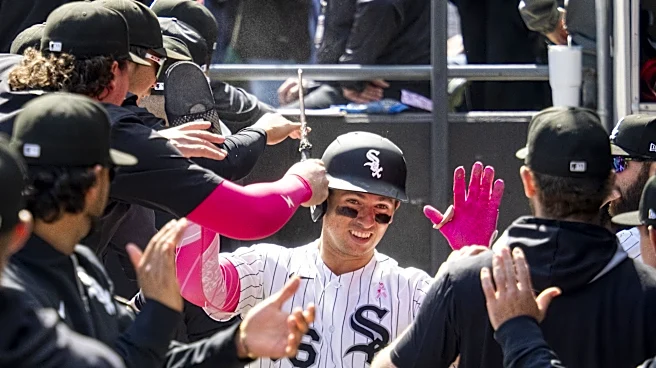






The 1919 Major League Baseball season is best remembered for the infamous Black Sox Scandal, which forever altered the landscape of professional baseball. This scandal involved the Chicago White Sox, who were accused of intentionally losing the World Series to the Cincinnati Reds in exchange for money from gamblers. The fallout from this event led to significant changes in the governance of baseball, including the establishment of the office of the Commissioner
of Baseball.
The Black Sox Scandal Unfolds
The scandal was orchestrated by White Sox first baseman Arnold "Chick" Gandil and gambler Joseph "Sport" Sullivan. They enlisted the help of New York gangster Arnold Rothstein, who provided the necessary connections and funds. Eight players from the White Sox were involved, including star outfielder "Shoeless" Joe Jackson and pitchers Eddie Cicotte and Claude "Lefty" Williams. The players were promised a total of $100,000 to throw the series.
The conspiracy was driven by a mix of greed and resentment towards the team's owner, Charles Comiskey, who was known for his frugality. Despite the players' efforts to lose, the scandal was not immediately uncovered, and the Reds won the series five games to three. However, rumors of the fix began to circulate, leading to an investigation.
Consequences and Reforms
The scandal had far-reaching consequences for Major League Baseball. In response to the public outcry, the National Baseball Commission was dissolved, and the office of the Commissioner of Baseball was created. Kenesaw Mountain Landis was appointed as the first commissioner, tasked with restoring integrity to the sport.
Landis took swift action, banning the eight implicated players from baseball for life. This decision was controversial, especially in the case of Joe Jackson, who maintained his innocence. Nonetheless, the bans were upheld, and the players never returned to the game.
Legacy of the 1919 Season
The 1919 season marked a turning point in baseball history. The scandal highlighted the vulnerabilities of the sport to corruption and led to reforms that strengthened its governance. The creation of the Commissioner's office established a central authority to oversee the game and enforce rules.
While the scandal tarnished the reputation of the White Sox and the players involved, it also served as a catalyst for change. The events of 1919 are a reminder of the importance of integrity in sports and the need for vigilant oversight to prevent similar incidents in the future.