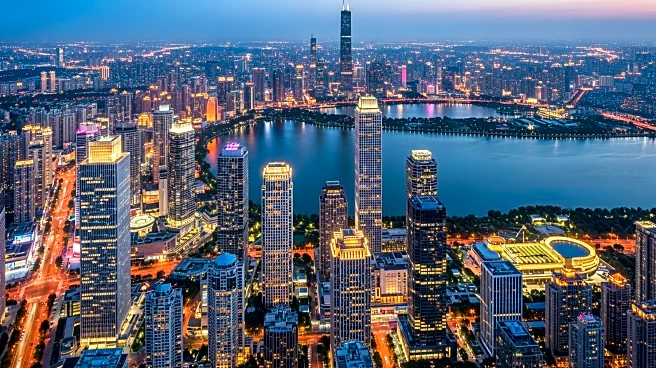

The Great Lakes megalopolis is a bi-national region that encompasses a vast network of metropolitan areas in North America. Stretching from the Midwestern United States to southwestern Quebec in Canada,
this region is the most populated and largest megalopolis in North America. It plays a crucial role in the economic and urban development of both countries, offering a unique blend of cultural, historical, and economic significance.
Urban Expansion and Population Growth
The Great Lakes megalopolis is characterized by its extensive urban development, with major cities such as Chicago, Toronto, Detroit, and Montreal serving as key economic and cultural centers. This region has experienced significant population growth over the years, with an estimated population of over 59 million people as of 2011. Projections suggest that this number could reach approximately 65 million by 2025, highlighting the region's continued expansion and importance.The megalopolis is home to a diverse array of industries, including manufacturing, finance, and technology. The presence of major universities and research institutions further contributes to the region's economic vitality, attracting talent and fostering innovation. The interconnectedness of these urban areas, facilitated by a robust transportation network, allows for the efficient movement of goods and people, supporting the region's economic growth.
Economic Significance
The Great Lakes megalopolis is a powerhouse of economic activity, contributing significantly to the GDP of both the United States and Canada. The region's strategic location, with access to the Great Lakes and the St. Lawrence Seaway, provides a vital transportation corridor for the movement of goods. This access to waterways supports a thriving shipping industry, with over 200 million tons of cargo transported annually through the Great Lakes.In addition to shipping, the region is a hub for manufacturing and industry, with a strong presence in sectors such as automotive, steel, and technology. The economic output of the Great Lakes megalopolis is substantial, making it a critical component of the North American economy. The region's economic success is further bolstered by its diverse population, which brings a wealth of cultural and intellectual resources to the area.
Challenges and Opportunities
Despite its many strengths, the Great Lakes megalopolis faces several challenges, including environmental concerns, infrastructure demands, and social issues. Efforts to address these challenges are ongoing, with governments and organizations working to promote sustainable development and improve the quality of life for residents.Opportunities for growth and innovation abound in the Great Lakes megalopolis, with initiatives focused on enhancing transportation infrastructure, supporting clean energy, and fostering economic diversification. By addressing these challenges and capitalizing on opportunities, the region can continue to thrive as a dynamic and influential hub of urban development.