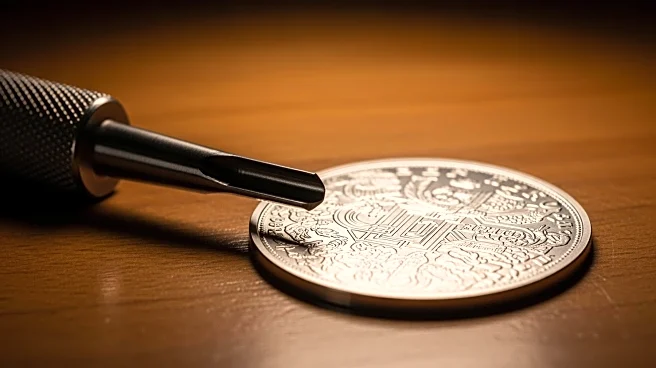


The Chief Engraver of the United States Mint has played a crucial role in the design and production of U.S. coinage since the position's inception in 1792. Over the years, the role has evolved, reflecting changes in technology, design trends, and administrative structures. This article delves into the historical development of the Chief Engraver's position, highlighting key changes and milestones.
The Early Years and Establishment
The position of Chief Engraver was established by the
Coinage Act of 1792, which laid the foundation for the United States Mint. The first person to hold this title was Robert Scot, who was appointed in 1793. Scot's role was to oversee the design and engraving of dies used in coin production, a task that required both artistic skill and technical precision. During these early years, the Chief Engraver was responsible for creating designs that embodied national symbols and values, such as liberty and unity.
Throughout the 19th century, the Chief Engraver's role remained largely consistent, with each engraver bringing their unique style to U.S. coinage. Notable engravers like William Barber and his son Charles E. Barber contributed significantly to the aesthetic evolution of American coins. Their designs often reflected the artistic trends of their times, incorporating elements of neoclassicism and other popular styles.
Abolition and Reinstatement
In 1990, following the resignation of Elizabeth Jones, the position of Chief Engraver was left vacant. This vacancy marked a period of uncertainty for the role, as Congress eventually abolished the position in 1996 through Public Law 104-208. The decision to eliminate the Chief Engraver role was part of broader administrative changes within the Mint, reflecting shifts in priorities and organizational structure.
However, the importance of the Chief Engraver's role in maintaining the artistic integrity of U.S. coinage led to its reinstatement in 2006. John Mercanti was appointed to the position, albeit with a modified scope and responsibilities. His appointment was not a full restoration of the original role but rather a temporary promotion, highlighting the evolving nature of the position.
The Modern Era
In 2019, Joseph Menna was appointed as the Chief Engraver, marking a new chapter in the role's history. Today, the Chief Engraver continues to oversee coin design and engraving at the United States Mint's four locations: Philadelphia, Denver, San Francisco, and West Point. The position remains integral to the Mint's operations, ensuring that U.S. coinage continues to reflect the nation's values and artistic heritage.
The evolution of the Chief Engraver's role illustrates the dynamic nature of the United States Mint and its ability to adapt to changing times. As the Mint continues to innovate and expand its operations, the Chief Engraver will undoubtedly remain a key figure in shaping the future of American coinage.