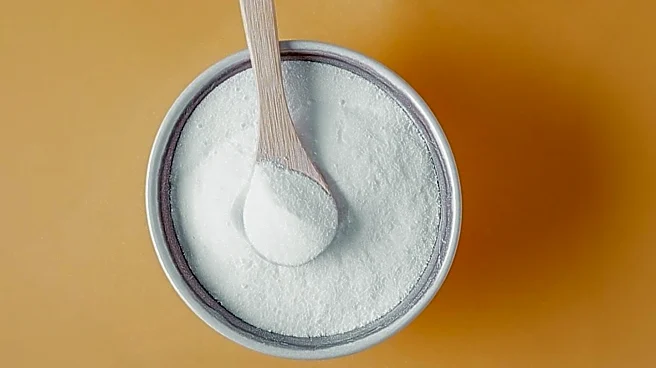

Collagen is a vital protein that provides structural support to the skin, contributing to its strength and elasticity. As we age, collagen levels naturally decrease, leading to visible signs of skin aging.
This article examines the role of collagen loss in the aging process, highlighting its impact on skin health and appearance.
The Importance of Collagen in Skin Structure
Collagen is the main structural protein found in the body's connective tissues, including the skin. It is composed of molecules that form long, thin fibrils, providing support and elasticity to the skin. Collagen is essential for maintaining the skin's firmness and suppleness, as well as supporting the renewal of skin cells and the replacement of damaged tissues.
The skin's ability to produce collagen diminishes with age, resulting in a gradual decline in its structural integrity. This reduction in collagen levels leads to a loss of skin elasticity, making it more prone to wrinkles and sagging. The thinning of the epidermis and the weakening of the dermal layer are key indicators of collagen loss, contributing to the overall aging appearance of the skin.
Factors Contributing to Collagen Loss
While collagen loss is a natural part of aging, several external factors can accelerate this process. Exposure to ultraviolet (UV) radiation is a significant contributor to collagen degradation, as it activates enzymes that break down collagen fibers. This photodamage results in the formation of wrinkles and other signs of aging, emphasizing the importance of sun protection.
Lifestyle habits such as smoking and excessive sugar intake can also impact collagen levels. Tobacco use damages the collagen layer, leading to the formation of wrinkles around the mouth and other areas. Similarly, high sugar consumption results in glycation, a process that stiffens collagen molecules and reduces their stability. These factors highlight the need for healthy lifestyle choices to preserve collagen and maintain skin health.
Addressing Collagen Loss in Skincare
To counteract collagen loss, various interventions can be employed to boost collagen production and improve skin health. Topical treatments containing vitamins C and A are known to enhance collagen synthesis, promoting skin renewal and reducing the appearance of aging. Additionally, dietary changes that include nutrient-rich foods can support collagen production and minimize cellular damage.
Protective measures such as using sunscreen and engaging in stress-relieving activities can also help prevent collagen degradation. By adopting a comprehensive approach to skincare, individuals can mitigate the effects of collagen loss and maintain a youthful appearance.
Understanding the role of collagen in skin aging is crucial for developing effective skincare strategies. By addressing the factors that contribute to collagen loss, individuals can take proactive steps to preserve their skin's health and vitality.