





False eyelashes have become a staple in the beauty industry, offering a quick way to enhance one's appearance. However, their journey from inception to the modern-day cosmetic staple is a fascinating tale of innovation and cultural shifts. This article explores the historical development of false eyelashes, tracing their evolution from painful beginnings to the glamorous accessory they are today.
Early Innovations and Painful Beginnings
The concept of false eyelashes dates back to the late
19th century. In 1882, Henry Labouchère reported that Parisians had discovered a method to create false eyelashes by sewing hair into the eyelids. This painful procedure aimed to elongate the lashes, as described in a 1899 article from The Dundee Courier. The process involved transplanting hair from the head into the eyelids, a method that was both painful and risky.
In 1902, Karl Nessler, a German-born hair specialist, patented a new method for manufacturing artificial eyelashes in the United Kingdom. By 1903, Nessler was selling artificial eyelashes at his London salon, using the profits to fund his next invention, the permanent wave machine. This marked a significant step forward in the development of false eyelashes, moving away from painful procedures to more practical solutions.
The Rise of False Eyelashes in Popular Culture
The popularity of false eyelashes began to rise in the early 20th century. In 1911, Anna Taylor patented false eyelashes in the United States, featuring a crescent-shaped strip of fabric with tiny pieces of hair. The use of false eyelashes in film further propelled their popularity. In 1916, filmmaker D. W. Griffith had false lashes made for actress Seena Owen to enhance her eyes for the film Intolerance.
By the 1930s, false eyelashes had become a fashion statement, featured in Vogue magazine. The trend continued into the 1960s, with eye makeup styles that emphasized larger eyes. Iconic figures like Twiggy popularized the use of false eyelashes to achieve a doll-like appearance, applying them to both the top and bottom eyelids.
Modern Innovations and Cultural Impact
The evolution of false eyelashes continued into the 21st century with innovations like magnetic lashes, invented by Katy Stoka in 2014. These offered an alternative to adhesive-based lashes, using magnets to secure the lashes in place. This innovation made false eyelashes more accessible and easier to use.
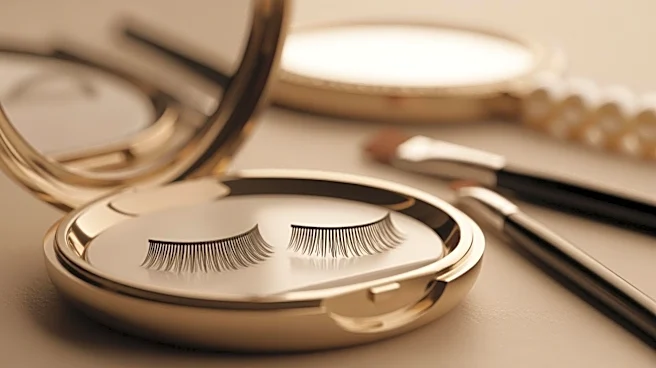
Today, false eyelashes are a common cosmetic accessory, available in various styles and materials. They have become a symbol of glamour and beauty, used by individuals worldwide to enhance their appearance. The journey of false eyelashes from painful beginnings to modern-day glamour reflects broader trends in beauty and fashion, showcasing the industry's ability to innovate and adapt to changing cultural preferences.