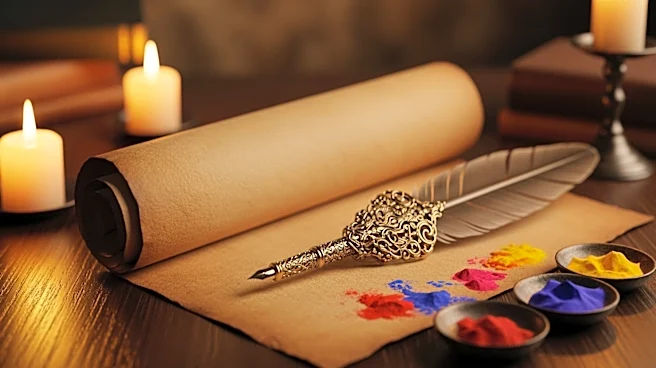







Illuminated manuscripts have a rich history that spans several centuries, reflecting the cultural and religious shifts of medieval Europe. These decorated texts were not only religious artifacts but also symbols of wealth and power. The journey of illuminated manuscripts from their origins to their decline offers insight into the evolution of bookmaking and the impact of technological advancements.
Origins and Early Development
The earliest surviving illuminated manuscripts date
back to late antiquity, between 400 and 600 CE. These early examples, such as the Vergilius Romanus and the Rossano Gospels, showcase the classical influences that shaped the art of illumination. The use of gold and vibrant colors in these manuscripts set the standard for future works.
During the Middle Ages, illuminated manuscripts became more prevalent, with the majority of surviving examples originating from this period. Monasteries played a crucial role in the production of these texts, as monks meticulously copied and decorated religious works. The Roman Catholic Church was a significant patron, commissioning illuminated psalters and liturgical books for use in worship.
The Golden Age of Illumination
The 13th century marked a turning point as illuminated manuscripts expanded beyond religious texts to include secular works. This period saw the creation of illuminated charters, laws, and courtly literature. The Gothic period, in particular, witnessed an increase in the production of illuminated books, with wealthy patrons commissioning personalized prayer books known as books of hours.
As the production of manuscripts shifted from monasteries to commercial scriptoria, the art of illumination became more accessible. This transition allowed for greater artistic expression and innovation, leading to the development of distinct regional styles. The influence of Byzantine art was evident in the use of gold backgrounds and stylized figures, while the Gothic style introduced elaborate borders and intricate details.
Decline and Legacy
The introduction of printing in the 15th century marked the beginning of the decline of illuminated manuscripts. The ability to mass-produce books made them more affordable and accessible, reducing the demand for hand-copied texts. However, illuminated manuscripts continued to be produced for wealthy patrons who valued their artistic and historical significance.
Despite their decline, illuminated manuscripts remain an important part of art history. They are among the best-preserved examples of medieval painting and provide valuable insight into the cultural and religious practices of the time. Today, these manuscripts are treasured artifacts, housed in museums and libraries around the world, where they continue to inspire and captivate audiences.