





Sieves are more than just simple tools for separating particles; they play a significant role in various aspects of daily life, from cooking to industrial applications and even cultural symbolism. This article delves into the diverse uses of sieves, highlighting their importance in different fields and their cultural significance.
Sieves in Cooking
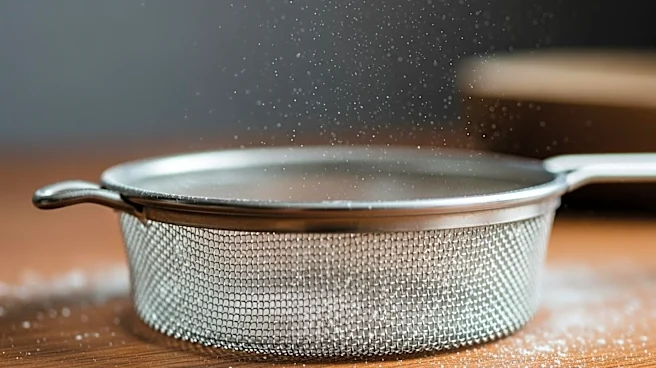
In the culinary world, sieves are indispensable tools used for a variety of purposes. A sifter, a type of sieve, is commonly
used to separate and break up clumps in dry ingredients like flour. This process not only ensures a smooth texture but also aerates the ingredients, making them easier to mix and resulting in better baking outcomes. Strainers, another form of sieve, are used to separate suspended solids from liquids, such as when making stocks or sauces. The ability to filter out unwanted particles is crucial in achieving the desired consistency and flavor in many dishes.
Sieves also play a role in food safety and quality control. In industrial food production, sieves are often used to prevent contamination by foreign bodies. Vibrating sieves are particularly effective in ensuring that only the desired particles pass through, maintaining the integrity of the product. The design of these industrial sieves is critical, as it must accommodate the specific needs of the food being processed.
Sieves in Industry
Beyond the kitchen, sieves are vital in various industrial applications. They are used to separate stones from sand, a process essential in construction and landscaping. The ability to control particle size distribution is crucial in these industries, as it affects the quality and usability of the materials. Sieves with different types of holes are employed depending on the particles to be separated, showcasing the versatility of this tool.
In the medical field, the concept of sieving is applied in triage, where individuals are grouped according to the severity of their injuries. This method of sorting is akin to the physical separation performed by sieves, highlighting the broader applicability of the sieving principle.
Cultural Significance of Sieves
Sieves have also found their place in cultural iconography. Historically, they have been used as symbols of chastity, as seen in the legend of the vestal virgin Tuccia, who proved her purity by carrying water in a sieve without losing a drop. This story underscores the sieve's symbolic association with purity and virtue.
In art, sieves have been depicted in portraits of Queen Elizabeth I, known as the Virgin Queen. The sieve in these portraits symbolizes her declared virginity, alongside other symbols of imperial expansion. These cultural references demonstrate the sieve's role beyond its practical applications, serving as a powerful symbol in historical narratives.