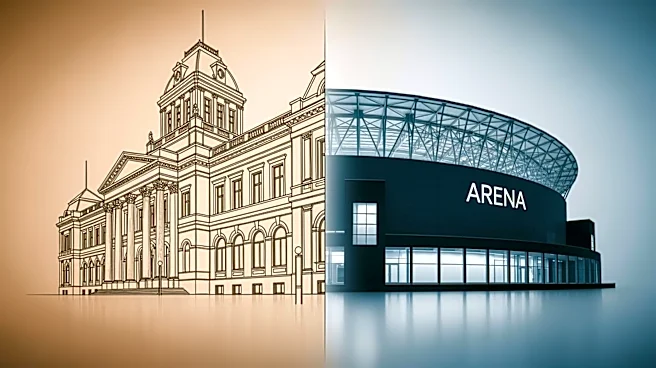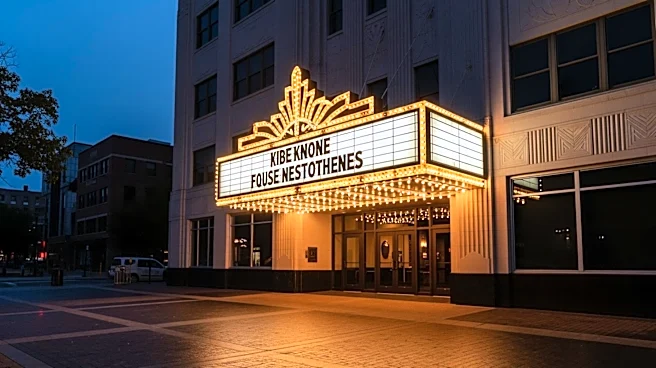

The Broadway Theatre on 53rd Street is not only a significant cultural venue but also an architectural landmark that has undergone various transformations since its inception. Originally designed in the
Italian Renaissance style, the theater has seen numerous renovations that reflect changing tastes and technological advancements. This article explores the architectural and design evolution of the Broadway Theatre, highlighting key changes that have shaped its current form.
Original Design and Early Modifications
The Broadway Theatre was initially opened as B.S. Moss's Colony Theatre in 1924, designed by Eugene De Rosa. The original facade was crafted in the Italian Renaissance style, featuring brick and terracotta materials. This design choice was typical of the era, aiming to provide an opulent experience for moviegoers. The theater's interior was equally ornate, with marble and bronze decorations, creating a luxurious atmosphere for patrons.
In 1930, the theater underwent significant modifications to transition from a movie theater to a venue for legitimate theater productions. This included expanding the stage and auditorium to accommodate larger performances. These changes marked the beginning of the theater's journey as a prominent Broadway venue.
Mid-Century Renovations
Throughout the mid-20th century, the Broadway Theatre continued to evolve architecturally. In the 1980s, the theater underwent a major renovation to modernize its facilities. The auditorium was redecorated in a reddish color scheme by set designer Oliver Smith, who believed that red was a color that arouses emotion. This renovation also included updates to the theater's seating and stage, enhancing its ability to host large-scale productions.
The theater's facade was also updated during this period, with the addition of polished granite and contemporary Art Deco-style decorations. These changes helped to maintain the theater's appeal and relevance in a rapidly changing cultural landscape.
Modern Enhancements and Preservation
In recent years, the Broadway Theatre has continued to adapt to the needs of modern productions while preserving its historical charm. The theater's large seating capacity and expansive stage make it an attractive venue for major musicals and long-running shows. Its ability to accommodate complex set designs and advanced technology has ensured its continued success as a leading Broadway theater.
The architectural and design evolution of the Broadway Theatre reflects its commitment to excellence and innovation. By balancing modern enhancements with historical preservation, the theater remains a vital part of New York City's cultural and architectural heritage. As it continues to host new productions, the Broadway Theatre stands as a testament to the enduring appeal of live theater and the importance of thoughtful design in creating memorable experiences.