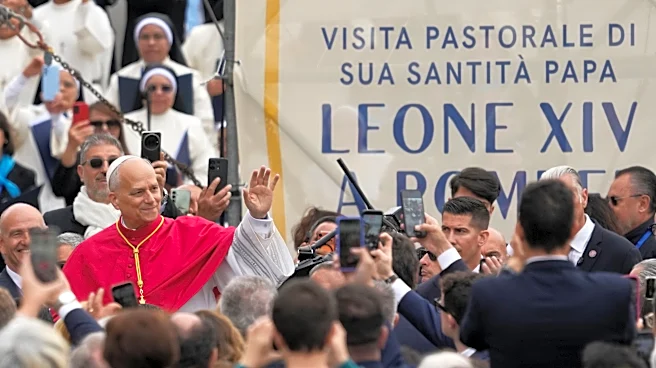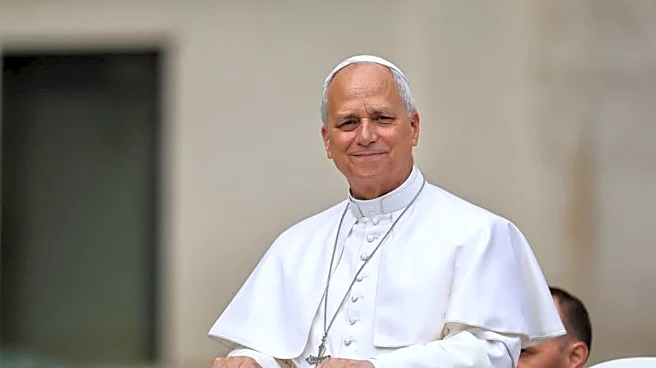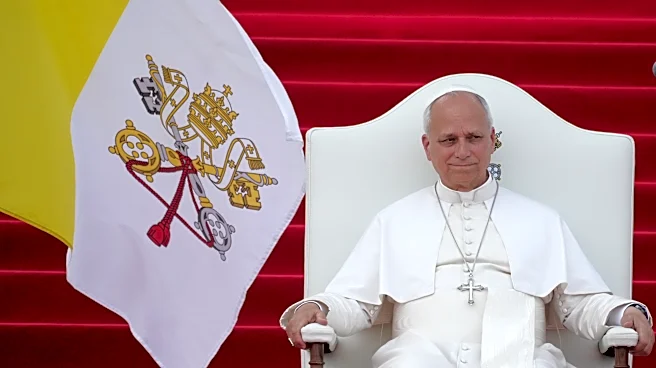





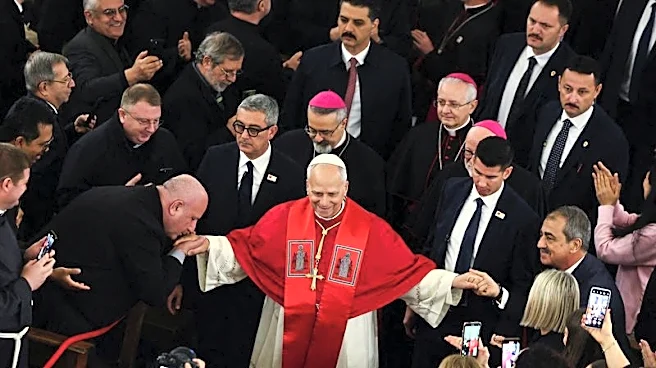

The 2025 papal conclave was a pivotal event in the Catholic Church, marked by the election of Pope Leo XIV. Central to this process were the cardinal electors, whose diverse backgrounds and perspectives played a crucial role in shaping the outcome. The composition and influence of these electors reflect the evolving nature of the Church and its leadership.
Composition of the Cardinal Electors
The conclave of 2025 included 133 cardinal electors, representing a wide array of regions and
cultures. These electors hailed from Italy, the rest of Europe, North America, South America, Asia, Oceania, and Africa. This diverse composition was a testament to the global reach of the Catholic Church and its commitment to inclusivity.
The cardinal electors were more diverse than in any prior conclave, coming from over 70 countries. Many were the first cardinals ever appointed from their respective countries, highlighting the Church's efforts to broaden its leadership base. This diversity was seen as a reflection of the Church's mission to address global challenges and engage with different cultures.
Influence on the Election Process
The cardinal electors played a significant role in the election of Pope Leo XIV. Their votes were influenced by various factors, including regional interests, theological perspectives, and personal relationships. The electors were tasked with discerning the needs of the Church and selecting a leader who could address these challenges effectively.
During the conclave, there was speculation about the potential for a non-European pope, given the increased numbers of African and Asian cardinals. However, the election of Cardinal Robert Francis Prevost, an American, was seen as a compromise that balanced the diverse interests within the College of Cardinals. Prevost's election was supported by cardinals from South America and the Anglosphere, reflecting his broad appeal.
The Impact of Diversity
The diverse composition of the cardinal electors had a profound impact on the 2025 conclave. It allowed for a more comprehensive discussion of the Church's needs and priorities, leading to a consensus candidate who could unite different factions. The election of Pope Leo XIV was seen as a step forward in the Church's efforts to embrace a more global perspective.
The role of cardinal electors in the 2025 papal conclave underscores the importance of diversity in the Church's leadership. As the Church continues to navigate complex global issues, the inclusion of diverse voices will be crucial in shaping its future. The 2025 conclave serves as a reminder of the Church's commitment to inclusivity and its ability to adapt to changing times.