



Indonesian cuisine is a vibrant and diverse culinary tradition that reflects the country's rich cultural tapestry. With over 6,000 populated islands and more than 600 ethnic groups, Indonesia's food is a melting pot of indigenous flavors and foreign influences. From the spicy sambal sauces to the savory nasi goreng, Indonesian dishes are known for their bold and complex flavors. This article delves into the various influences and regional variations
that make Indonesian cuisine so unique.
Influences from Around the World
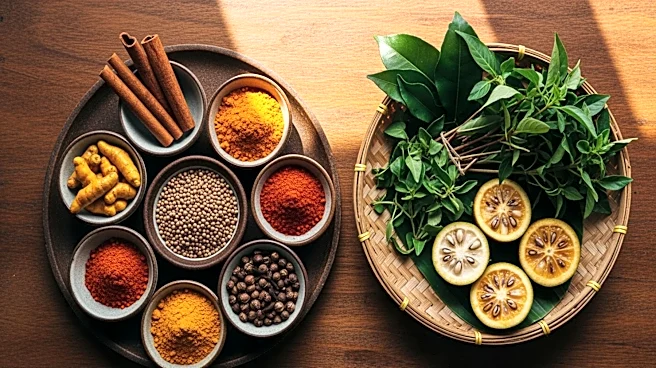
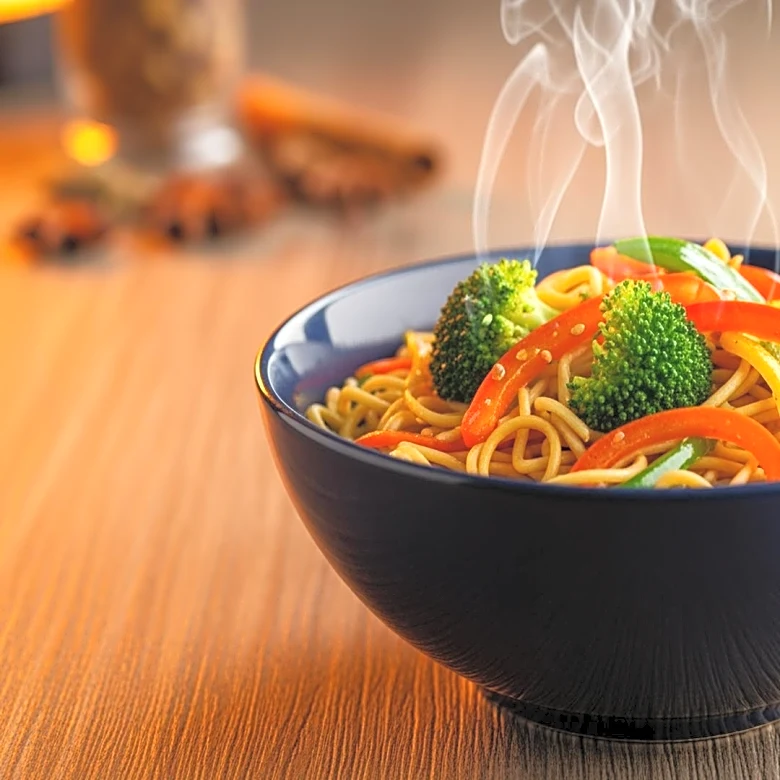
Indonesian cuisine has been shaped by a myriad of influences from around the world. The country's strategic location along ancient trade routes brought in spices and culinary techniques from India, the Middle East, China, and Europe. For instance, the use of spices like cloves and nutmeg, native to Indonesia's Moluccas Islands, became integral to both local and global cuisines. Chinese immigrants introduced noodles, soy sauce, and stir-frying techniques, which have been seamlessly integrated into Indonesian cooking.
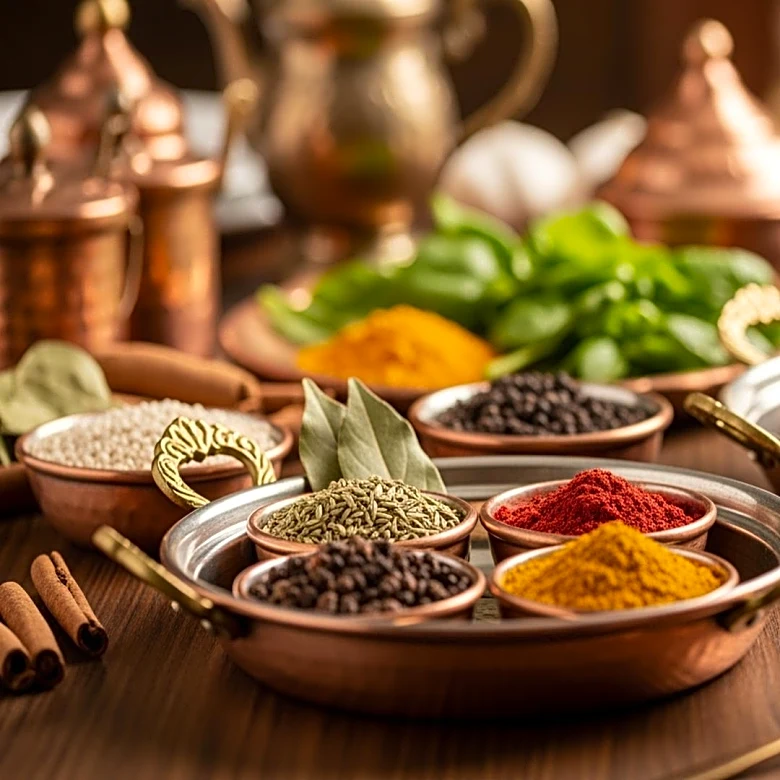
The Middle Eastern and Indian influences are particularly evident in Sumatran cuisine, where dishes often feature curried meats and vegetables. The Dutch colonial period also left its mark, introducing European techniques and ingredients, such as bread and pastries, which have been adapted into local favorites. This blend of influences has resulted in a cuisine that is both diverse and harmonious, with each dish telling a story of cultural exchange.
Regional Variations
Indonesia's vast archipelago means that each region has developed its own distinct culinary identity. Sumatran cuisine, for example, is known for its rich and spicy flavors, often incorporating coconut milk and chili peppers. In contrast, Javanese cuisine tends to be sweeter, with dishes like gudeg, a jackfruit stew, showcasing the use of palm sugar.
Eastern Indonesian cuisine, influenced by Polynesian and Melanesian traditions, often features seafood and root vegetables. The use of sago, a starchy staple, is common in these regions. Meanwhile, Balinese cuisine is renowned for its use of aromatic spices and herbs, with dishes like babi guling (roast pig) being a local specialty. Each region's cuisine reflects its unique cultural heritage and local ingredients, offering a diverse culinary experience.
The Role of Rice and Other Staples
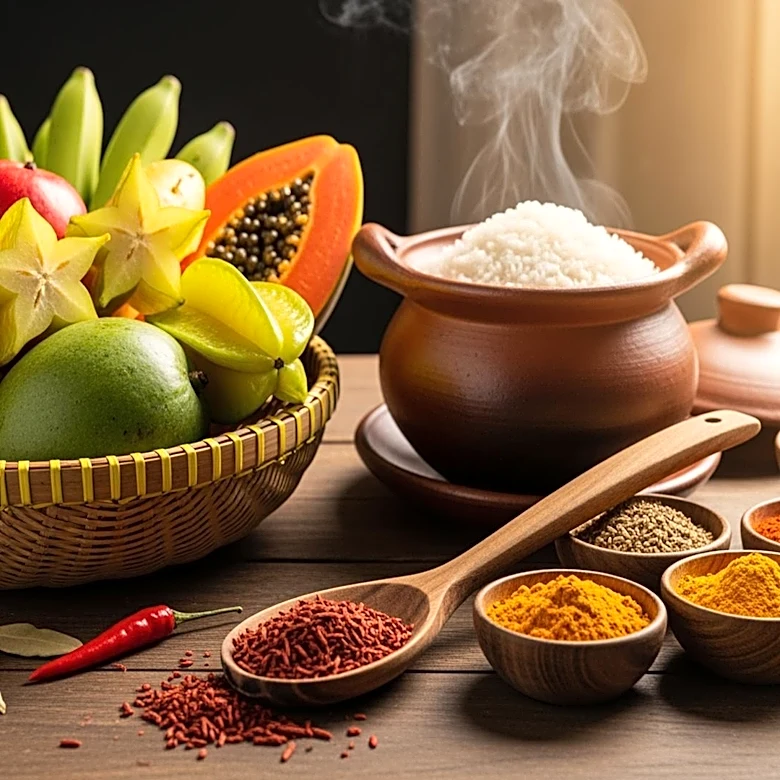
Rice is the cornerstone of Indonesian cuisine, serving as the staple food for most of the population. It is often accompanied by a variety of side dishes, including vegetables, meats, and sambal. In some regions, other staples like sago, yams, and cassava are more prevalent, particularly in areas where rice cultivation is less feasible.
The importance of rice is not only nutritional but also cultural, with rituals and festivals often centered around rice cultivation and harvest. This deep connection to rice is evident in dishes like nasi goreng, a fried rice dish that is considered a national favorite. The versatility of rice allows it to be prepared in numerous ways, from steamed and fried to being made into cakes and snacks, showcasing its integral role in Indonesian cuisine.