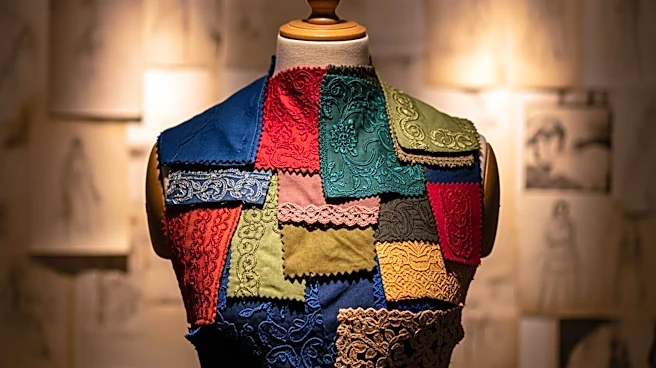







Costume design has a rich and varied history, evolving alongside theater and film to become an essential element of storytelling. From the symbolic masks of ancient Greek theater to the intricate period costumes of modern cinema, costume design has continually adapted to meet the needs of different eras and artistic movements. This article explores the historical development of costume design, highlighting key milestones and transformations.
Ancient Beginnings
The origins
of costume design can be traced back to ancient Greek theater, where costumes were simplistic yet symbolic. Ritualized masks were a defining feature, allowing actors to convey emotions and differentiate characters without changing masks. These masks varied depending on whether they were used for comedic or dramatic purposes, with some featuring both cheerful and serious expressions.
In Roman theater, the tradition of using masks continued, facilitating the doubling of roles. During the Late Middle Ages in Europe, dramatic enactments of Bible stories became prevalent, and performers wore Christian vestments stylized from Byzantine court dress to maintain realism. Actors often supplied their own costumes for characters found in daily life, emphasizing stereotypical characterization.
The Rise of Realism
By the Elizabethan era, costumes had become the most important visual element of theater, often made from luxurious fabrics. In the 16th and 17th centuries, actors wore contemporary fashion with added elements like crowns to signify royalty. The 19th century marked a shift towards historical accuracy, driven by figures like Georg II, Duke of Saxe-Meiningen, who insisted on authentic materials and refused to allow actors to alter their costumes.
In 1823, James Planché's advocacy for historically accurate Shakespearean costumes revolutionized British theater. His work on productions like King John inspired a movement towards realism in costume design, influencing subsequent productions and setting a new standard for authenticity.
Modern Innovations
The 21st century has seen digital technologies usher in a new era of costume design. Traditional methods of crafting costumes by hand have been complemented by 3D printers, modeling software, and other digital tools. These technologies allow designers to create costumes more efficiently, optimize material usage, and conduct virtual fittings.
Despite these technological advancements, the core principles of costume design remain rooted in storytelling and character development. Whether through historical accuracy or innovative techniques, costume designers continue to play a vital role in shaping the visual narrative of theater and film.
In conclusion, the history of costume design reflects the broader evolution of theater and film, adapting to cultural shifts and technological advancements. From ancient masks to modern digital tools, costume design remains a dynamic and integral part of the storytelling process.