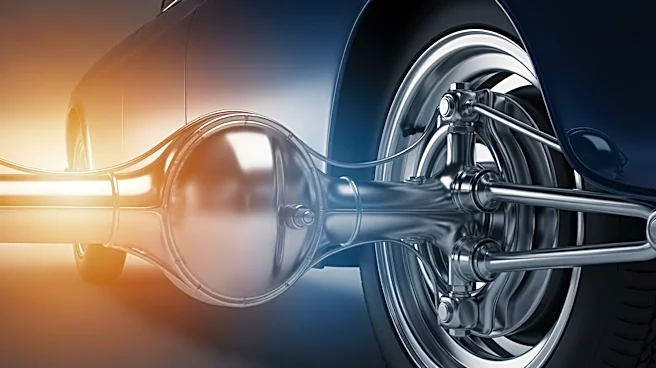





Rear-wheel drive (RWD) has been a significant aspect of automotive design, shaping the way vehicles are built and driven. This article delves into the historical development of rear-wheel drive, tracing its journey from the 19th century to modern times. Understanding this evolution provides insight into how automotive technology has adapted to changing needs and preferences.
Early Beginnings: 1890s to 1960s
The concept of rear-wheel drive dates back to the 19th century, when many
cars were built with the engine mounted at the rear. This layout was prevalent until the introduction of the 1895 Panhard model, which featured the engine at the front, marking the beginning of the "Système Panhard." This configuration minimized mechanical complexity by aligning the transmission with the engine output shaft, distributing weight more evenly under the vehicle.
During this era, the mechanical advantages of the front-engine, rear-wheel-drive layout outweighed the disadvantages of weight concentration. The design allowed for a lighter drive shaft construction, as the transmission was split into two parts: the gearbox and the final drive. This setup remained dominant in car designs until the 1970s, largely due to the availability of cheap petrol and the heavy nature of cars at the time.
Transition and Decline: 1970s to Present
The 1970s marked a significant shift in automotive design, influenced by the Arab oil embargo of 1973 and the 1979 fuel crises. These events led to the phasing out of many American rear-wheel drive vehicles in favor of front-engine, front-wheel drive layouts. This transition was driven by the need for more fuel-efficient designs, spawning the SUV-van conversion market.
Despite this shift, rear-wheel drive remained popular in certain regions and among specific manufacturers. In Australia, models like the Holden Commodore and Ford Falcon continued to enjoy strong sales. In Europe, upscale brands such as Mercedes-Benz, BMW, and Jaguar retained rear-wheel drive in their lineups, while Japanese manufacturers like Toyota gradually transitioned to front-wheel drive.
Modern Resurgence and Electric Vehicles
In the 21st century, rear-wheel drive has seen a resurgence, particularly as an alternative to large sport-utility vehicles. This revival is partly due to the increasing popularity of electric vehicles, where rear-wheel drive layouts offer better traction during acceleration. Modern electronic stability control systems have mitigated the handling challenges associated with rear-wheel drive.
Manufacturers like GM and Chrysler have reintroduced rear-wheel drive models, such as the Cadillac CTS and Dodge Charger. Electric models like the Tesla Model 3 and Volkswagen ID.4 utilize rear-wheel drive layouts, benefiting from the packaging advantages and powerful drivetrains. This modern adaptation highlights the enduring relevance of rear-wheel drive in automotive design.