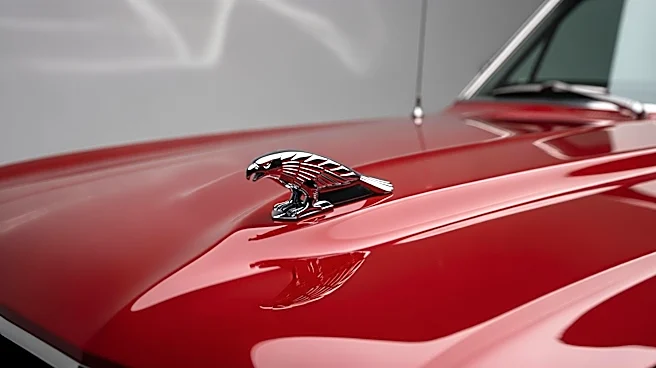







The Pontiac Firebird, produced by General Motors from 1967 to 2002, is more than just a car; it is a symbol of American muscle car culture. Known for its powerful engines and sleek design, the Firebird captured the imagination of car enthusiasts and became an icon of performance and style. This article delves into the cultural significance of the Firebird and its lasting impact on the muscle car scene.
The Firebird's Role in the Muscle Car Era
The introduction of the Pontiac Firebird in 1967
marked a significant moment in the muscle car era. As a direct competitor to the Ford Mustang and Chevrolet Camaro, the Firebird quickly established itself as a formidable presence on the road. Its powerful V8 engines and aggressive styling appealed to a generation of drivers seeking performance and excitement.
The Firebird's popularity was further bolstered by its appearances in popular media, including movies and television shows. These appearances helped cement its status as a cultural icon, representing the freedom and thrill of the open road. The Firebird's association with speed and power made it a favorite among car enthusiasts and collectors, contributing to its enduring legacy.
A Car for the Enthusiast
The Firebird was not just a car; it was a statement. With its distinctive design and performance capabilities, it attracted a dedicated following of enthusiasts who appreciated its blend of style and substance. The Firebird's various models, including the Trans Am, offered something for everyone, from luxury to high-performance options.
The Trans Am, in particular, became synonymous with the Firebird name, known for its performance-oriented features and iconic styling. This model's popularity was further enhanced by its role in the "Smokey and the Bandit" film series, where it became a symbol of rebellion and adventure. The Firebird's ability to capture the spirit of the times contributed to its status as a cultural icon.
The Legacy of the Firebird
Although production of the Pontiac Firebird ended in 2002, its legacy lives on. The Firebird remains a beloved classic, celebrated by car clubs and enthusiasts around the world. Its influence can be seen in the design and performance of modern muscle cars, which continue to draw inspiration from the Firebird's iconic features.
The Firebird's impact on American muscle car culture is undeniable. It represents a time when cars were more than just a means of transportation; they were an expression of individuality and freedom. The Firebird's enduring appeal is a testament to its significance in automotive history, and it continues to inspire new generations of car enthusiasts.