






Since its opening in 2004, Millennium Park has become a cultural icon in Chicago, attracting millions of visitors each year. This public space has not only transformed the urban landscape but also significantly influenced the cultural life of the city. This article examines the cultural impact of Millennium Park and its role in shaping Chicago's identity.
A Hub for Community and Culture
Millennium Park serves as a vibrant gathering place for both locals and tourists, offering a wide
range of cultural events and activities. The park hosts numerous festivals, concerts, and art exhibitions, making it a central hub for cultural engagement in the city. Events like the Chicago Blues Festival and the Grant Park Music Festival draw large crowds, showcasing the park's ability to bring people together through shared cultural experiences.
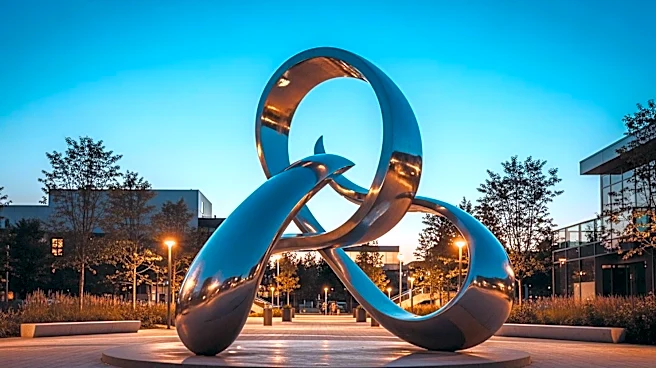
The park's design encourages interaction and participation, with features like the Crown Fountain and Cloud Gate inviting visitors to engage with the art. This emphasis on interactivity and community involvement has helped foster a sense of belonging and pride among Chicagoans, reinforcing the park's role as a cultural cornerstone.
Influence on Urban Design and Public Spaces
Millennium Park has set a new standard for urban design and the development of public spaces. Its successful transformation from a rail yard to a cultural landmark has inspired cities around the world to reimagine their own public spaces. The park's integration of art, architecture, and nature serves as a model for creating vibrant, multifunctional urban environments.
The park's emphasis on accessibility and inclusivity has also influenced the design of public spaces. By prioritizing universal design principles, Millennium Park ensures that its attractions are accessible to people of all ages and abilities. This commitment to inclusivity has become a benchmark for other cities looking to create welcoming and engaging public spaces.
Economic and Social Impact
The cultural significance of Millennium Park extends beyond its artistic and architectural features. The park has had a substantial economic impact on the city, attracting tourists and boosting local businesses. Its popularity has led to increased investment in the surrounding area, contributing to the revitalization of downtown Chicago.
Socially, Millennium Park has become a symbol of Chicago's commitment to culture and community. It provides a space for people from diverse backgrounds to come together and celebrate the city's rich cultural heritage. The park's influence on Chicago's cultural landscape is undeniable, and its legacy continues to shape the city's identity and future.
Millennium Park's cultural impact is a testament to the power of public spaces to transform cities and communities. Its success serves as an inspiration for urban planners and cultural leaders worldwide.