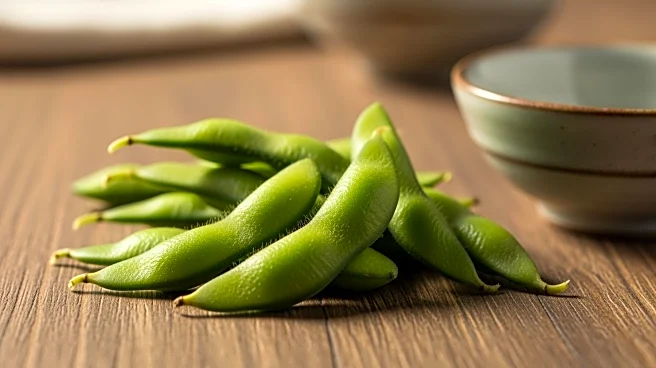




Edamame, the immature soybean pods, hold a special place in East Asian cuisine and culture. Known for their nutritional value and versatility, these green soybeans are a staple in countries like Japan, Korea, and China. They are often served as appetizers or side dishes, especially alongside alcoholic beverages. This article delves into the cultural significance of edamame in East Asia, highlighting its historical roots and contemporary popularity.
Historical Roots of Edamame
The history of edamame dates back centuries, with the earliest documented reference in Japan appearing in 1275. A Japanese monk named Nichiren wrote a note thanking a parishioner for the gift of edamame left at the temple. This historical mention underscores the longstanding presence of edamame in Japanese culture. In China, soybeans have been cultivated for over 7000 years, and during the Ming dynasty, they were recommended as a food source during famines.
Edamame's historical significance is further highlighted by its appearance in Japanese haikai verse during the Edo period. The term "edamame" itself means "stem beans," reflecting the traditional practice of selling the beans while still attached to the stem. This cultural heritage has contributed to edamame's enduring popularity in East Asia.
Edamame in Modern East Asian Cuisine
Today, edamame is a common sight in East Asian cuisine, particularly in Japan. It is often served as a side dish or appetizer, especially in izakaya restaurants where it accompanies drinks like beer and shōchū. The preparation of edamame is simple yet flavorful, with pods boiled or steamed and seasoned with salt or other condiments.
In Japan, edamame is not only a culinary delight but also a social experience. The act of sharing edamame while enjoying drinks fosters a sense of camaraderie and relaxation. This cultural practice has helped cement edamame's role as a beloved snack in Japanese society.
Nutritional and Social Impact
Edamame is celebrated not only for its taste but also for its nutritional benefits. Rich in protein, dietary fiber, and essential vitamins, edamame is a healthy addition to any diet. Its nutritional profile makes it a popular choice for those seeking plant-based protein sources.
Beyond its nutritional value, edamame plays a role in social gatherings and celebrations. In East Asia, sharing food is a way to strengthen bonds and create lasting memories. Edamame, with its simple preparation and enjoyable taste, is a perfect example of how food can bring people together.