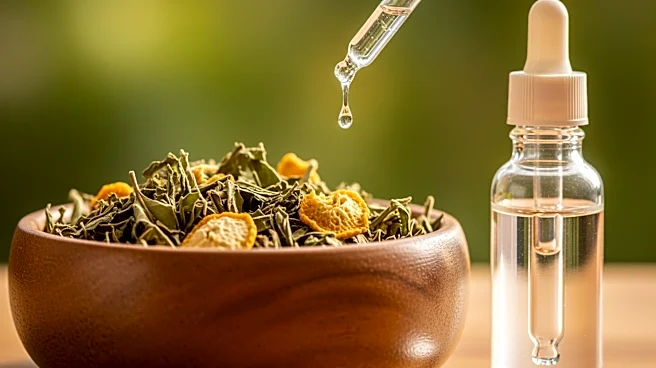

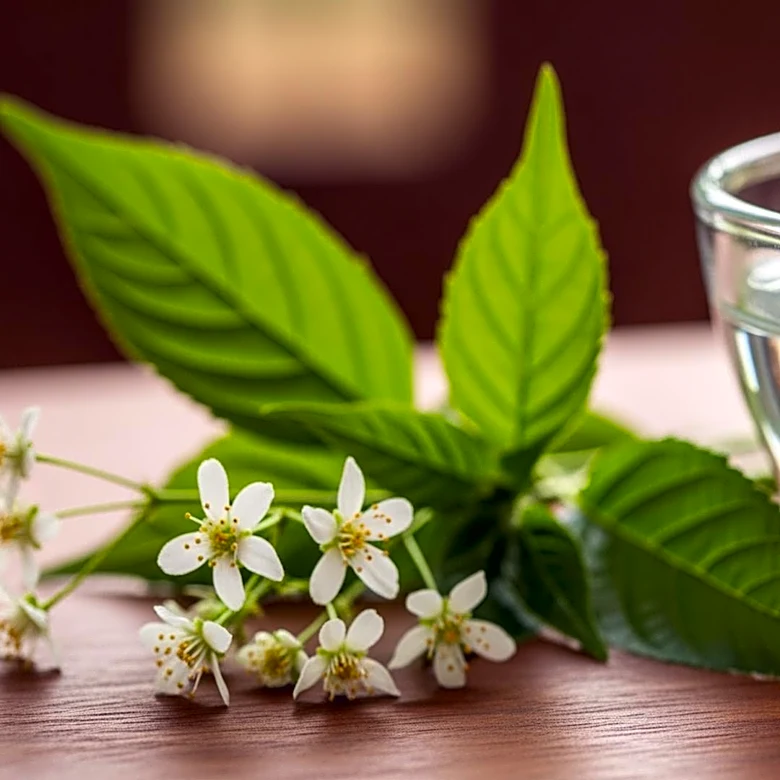






Astringents are fascinating chemical compounds known for their ability to shrink or constrict body tissues. Derived from the Latin word 'adstringere,' meaning 'to bind fast,' these substances are commonly used in various medical and cosmetic applications. The unique properties of astringents make them valuable in treating a range of conditions, from skin irritations to sore throats. This article delves into the chemical nature of astringents, their effects
on the body, and their diverse applications.
The Chemical Nature of Astringents
Astringents are primarily characterized by their ability to cause the contraction of body tissues. This effect is largely due to the presence of tannins, a type of polyphenol that binds to salivary proteins, causing them to precipitate and aggregate. This interaction results in a dry, puckering sensation in the mouth, often described as 'sandpapery.' Tannins are found in various natural sources, including unripe fruits, teas, and wines, contributing to their astringent properties.
Interestingly, smoking tobacco is also reported to have an astringent effect. Scientific studies have shown that astringency can be detected even when taste nerves are anesthetized, indicating that the sensation is not solely dependent on taste but involves other sensory pathways.
Medical Applications of Astringents
In medicine, astringents are used both internally and externally to treat various conditions. Internally, they help reduce the discharge of blood serum and mucous secretions, making them useful in treating sore throats, hemorrhages, diarrhea, and peptic ulcers. Externally, astringents cause mild coagulation of skin proteins, which helps dry, harden, and protect the skin.
Astringents are often recommended for individuals with oily skin, as they can help manage acne by reducing oiliness. They also provide relief for minor skin irritations, such as superficial cuts, insect bites, and fungal infections like athlete's foot. Redness-reducing eye drops often contain astringents to alleviate irritation.
Common Astringents and Their Uses
A variety of substances are recognized for their astringent properties. Common examples include alum, witch hazel, bayberry, distilled vinegar, and rubbing alcohol. These substances are used in different preparations, such as silver nitrate, zinc oxide, and tincture of benzoin, to name a few.
Vegetable-based astringents include tannic and gallic acids, while certain fruits and their parts, like blackthorn berries, chokecherries, and persimmons, are naturally astringent. Citrus fruits, teas, coffee, and red grape wines also exhibit mild astringency, contributing to their unique flavors and mouthfeel.
Astringents play a crucial role in both medical and cosmetic fields, offering solutions for various health and skin-related issues. Their ability to constrict tissues and reduce secretions makes them indispensable in treating a range of conditions, highlighting their importance in everyday life.