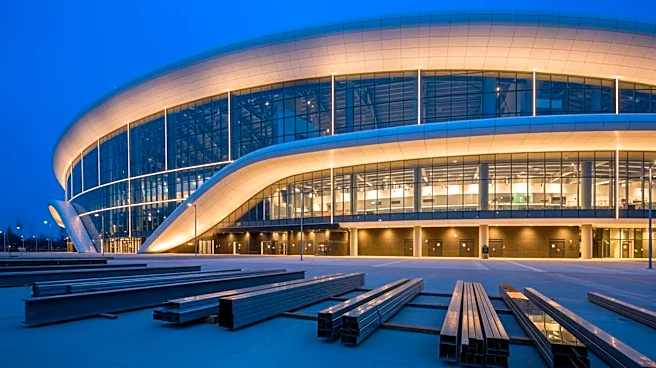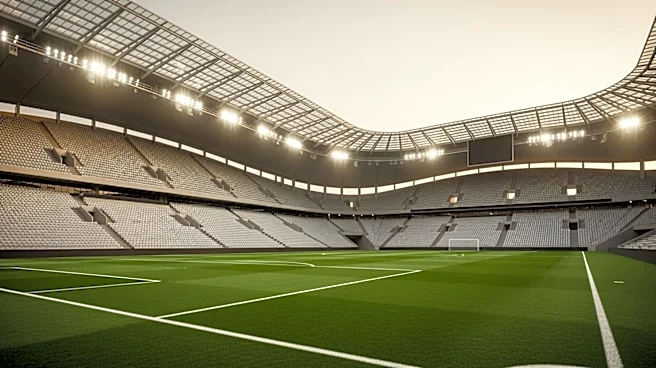

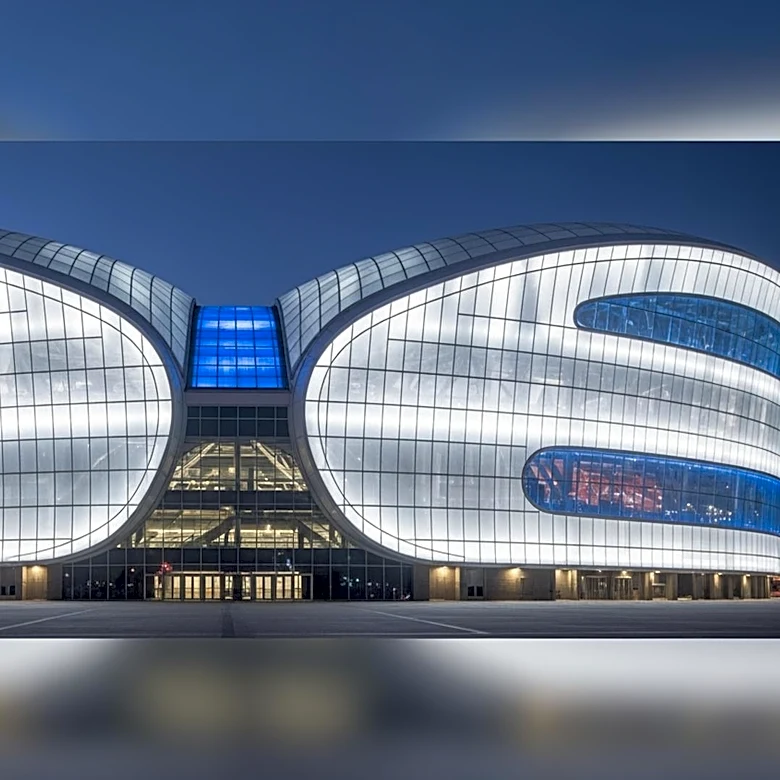
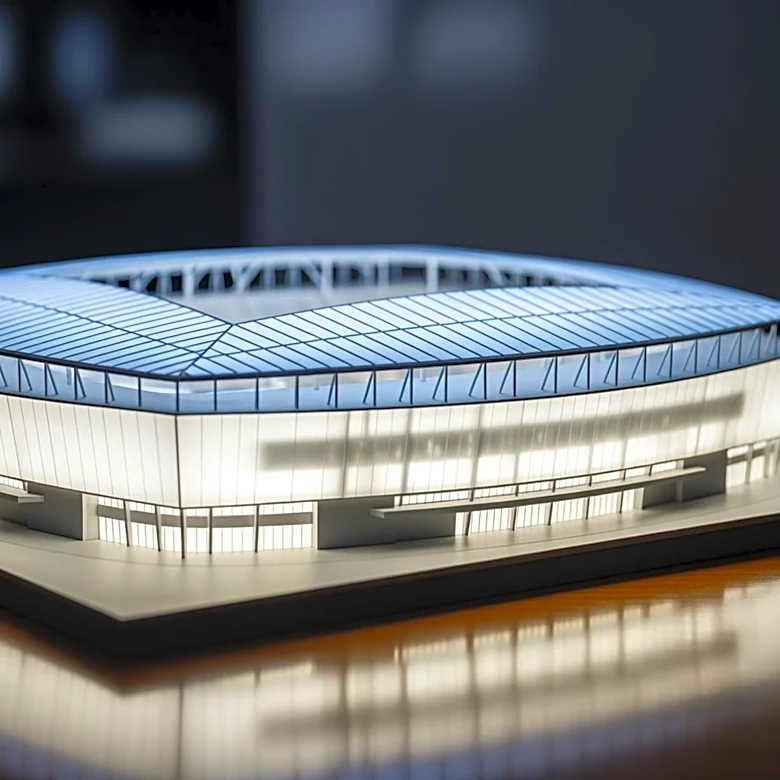
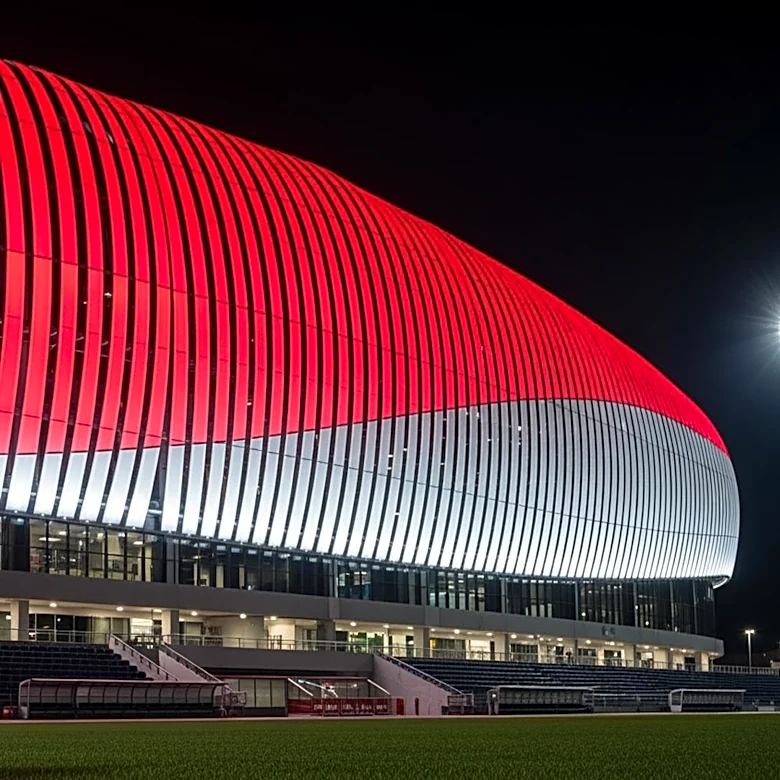


The Estádio Nacional Mané Garrincha, located in Brasília, Brazil, has a rich history that spans several decades. From its initial construction in the 1970s to its recent reconstruction for the 2014 FIFA World Cup, the stadium has been a central hub for sports and cultural events in the region. This article explores the key milestones in the stadium's history and its evolution over the years.
Early Years and Inauguration
The Estádio Nacional Mané Garrincha was originally opened
in 1974, named after Governor Hélio Prates da Silveira. The inaugural match took place on March 10, 1974, with Corinthians defeating CEUB 2-1. The first goal in the stadium was scored by Vaguinho of Corinthians. Initially, the stadium had a capacity of 45,200 and served as the home ground for various local teams in the Federal District.
In the 1980s, the stadium was renamed in honor of the legendary Brazilian footballer Mané Garrincha, who was a key figure in Brazil's World Cup victories in 1958 and 1962. This renaming was part of a broader effort to celebrate Brazil's rich football heritage and to honor one of its most beloved players.
Renovations and Major Events
Over the years, the Estádio Nacional Mané Garrincha has hosted numerous significant events. In 1998, the stadium set an attendance record of 51,200 during a match between Gama and Londrina. This match was part of the Série B final, which saw Gama secure its first national trophy and promotion to Série A.
In 2007, plans were announced to reconstruct the stadium in preparation for the 2014 FIFA World Cup. The reconstruction project began in 2010, with the aim of increasing the stadium's capacity and modernizing its facilities. The project was completed in 2013, just in time for the FIFA Confederations Cup, where Brazil played its first match in the newly renovated stadium against Japan, winning 3-0.
Recent Developments and Legacy
The Estádio Nacional Mané Garrincha played a crucial role during the 2014 FIFA World Cup, hosting seven matches, including the third-place playoff. The stadium's reconstruction and increased capacity allowed it to accommodate large crowds and provide a world-class experience for fans and players alike.
In addition to football, the stadium has hosted various other events, including concerts and cultural activities. Since 2019, the stadium has been under private administration, ensuring its continued use and maintenance. The Estádio Nacional Mané Garrincha remains a symbol of Brasília's sporting and cultural landscape, reflecting the city's growth and development over the years.
The stadium's history is a testament to its importance in Brazilian sports and culture. From its early days as a local sports venue to its current status as a world-class stadium, the Estádio Nacional Mané Garrincha continues to be a central part of Brasília's identity.