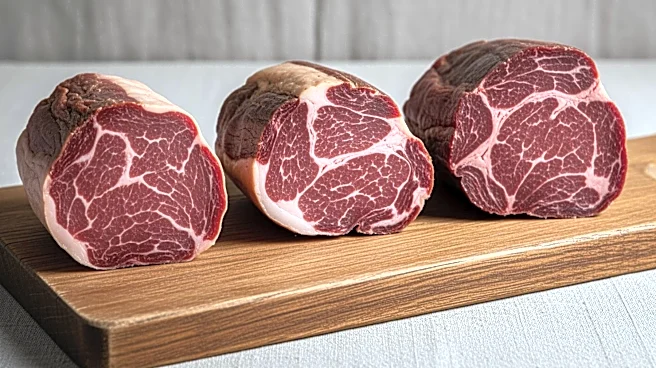

Lamb, hogget, and mutton are all terms used to describe the meat of domestic sheep, but they refer to different stages in the animal's life. These distinctions are important not only for culinary purposes
but also for understanding the unique flavors and textures each type of meat offers. This article explores the differences between lamb, hogget, and mutton, and how these variations influence their use in cooking.
Lamb: The Tender Choice
Lamb is the meat from sheep that are less than one year old. This meat is known for its tenderness and mild flavor, making it a popular choice in many Western countries. The carcass weight of lamb typically ranges from 5.5 to 30 kg, and its delicate texture makes it suitable for a variety of cooking methods, including roasting and grilling.
In culinary terms, lamb is often considered the most desirable of the three types due to its tenderness. It is frequently used in dishes that require quick cooking times, such as lamb chops or grilled lamb skewers. The mild flavor of lamb allows it to pair well with a wide range of herbs and spices, making it a versatile ingredient in many cuisines.
Hogget: The Middle Ground
Hogget refers to the meat from sheep in their second year. This stage is less commonly known but offers a unique flavor profile that is stronger than lamb but milder than mutton. In countries like the UK, Australia, and New Zealand, hogget is recognized for its distinct taste and is often used in traditional dishes.
The meat from hogget is slightly tougher than lamb due to the maturation of connective tissues, which makes it well-suited for slow-cooking methods. Dishes like stews and casseroles benefit from the rich flavor of hogget, as the slow cooking process helps to tenderize the meat and enhance its taste.
Mutton: The Flavorful Veteran
Mutton is the meat from sheep that are over two years old. It is known for its strong, gamey flavor, which is a result of the higher concentration of species-characteristic fatty acids. Mutton is often preferred by those who enjoy robust flavors and is a staple in many traditional dishes around the world.
Due to its toughness, mutton is best suited for slow-cooking methods such as braising or stewing. These techniques help to break down the connective tissues, resulting in a tender and flavorful dish. Mutton's rich taste makes it a popular choice in cuisines that favor bold flavors, such as those found in the Mediterranean and South Asia.
Understanding the differences between lamb, hogget, and mutton allows cooks to choose the right type of meat for their culinary needs. Each offers a unique flavor and texture, contributing to the diverse world of sheep meat cuisine.