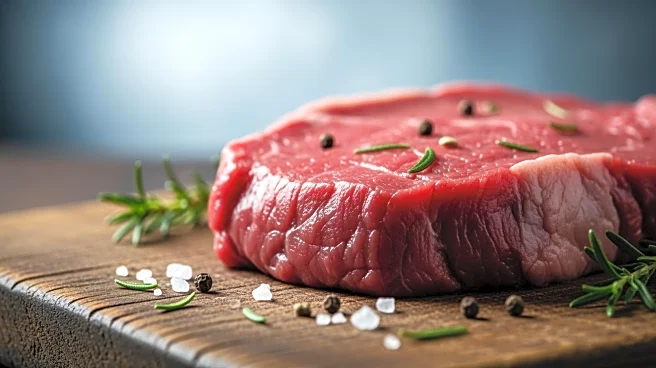




The carnivore diet, which involves consuming only animal products, has gained attention for its simplicity and bold health claims. However, it has also faced significant criticism from health professionals and dietitians. In this article, we will explore the potential health risks associated with the carnivore diet and the criticisms it has received from the medical community.
Nutritional Deficiencies and Health Concerns
One of the primary concerns with the carnivore diet is the risk of nutritional
deficiencies. By excluding all plant-based foods, the diet lacks essential vitamins and minerals that are typically obtained from fruits and vegetables. This can lead to deficiencies in important nutrients such as vitamin C, vitamin K, and various antioxidants.
Additionally, the diet's lack of dietary fiber is a significant concern. Fiber is crucial for maintaining healthy digestion and preventing constipation. Without it, individuals may experience gastrointestinal issues and an increased risk of colon cancer. The high intake of red meat, a staple of the carnivore diet, has also been linked to an increased risk of chronic diseases, including cardiovascular disease and gout.
Impact on Cholesterol and Heart Health
The carnivore diet's emphasis on animal products, particularly red meat, can have a negative impact on cholesterol levels. Studies have shown that diets high in saturated fats, like those found in red meat, can raise LDL cholesterol levels, which is a known risk factor for heart disease. This has led to concerns about the long-term impact of the carnivore diet on cardiovascular health.
Critics argue that the diet's exclusion of heart-healthy foods, such as fruits, vegetables, and whole grains, further exacerbates these risks. These foods are known to provide essential nutrients and antioxidants that support heart health and reduce the risk of chronic diseases.
Criticisms from Health Professionals
Health professionals and dietitians have widely criticized the carnivore diet as an extreme and potentially dangerous fad diet. They argue that the diet's restrictive nature makes it difficult to maintain a balanced and nutritious eating plan. The lack of scientific evidence supporting the diet's health claims further fuels skepticism among medical experts.
Dietitians emphasize the importance of a varied diet that includes a wide range of nutrients from both animal and plant sources. They caution against adopting such a restrictive diet without consulting with healthcare professionals, as it may lead to unintended health consequences.
In conclusion, while the carnivore diet may appeal to those seeking a simple and meat-focused eating plan, it is important to consider the potential health risks and criticisms from the medical community. Individuals should approach the diet with caution and seek guidance from healthcare professionals before making significant dietary changes.