







Hosting the FIFA World Cup is a significant event for any nation, and for Mexico, it has been a transformative experience. Mexico has had the honor of hosting the World Cup in 1986 and is set to co-host the tournament again in 2026. This article delves into the impact of hosting the World Cup on Mexico, examining the social, economic, and cultural effects.
Social and Cultural Impact
The 1986 FIFA World Cup was a landmark event for Mexico, bringing the nation into the global
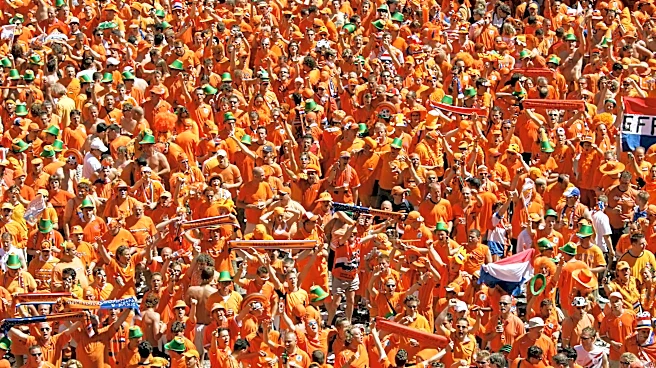
spotlight. Hosting the tournament provided an opportunity for Mexico to showcase its rich culture and hospitality to the world. The event fostered a sense of national pride and unity, as Mexicans came together to support their team and celebrate the sport.
Culturally, the World Cup left a lasting legacy in Mexico. It inspired a new generation of football enthusiasts and contributed to the growth of the sport within the country. The tournament also highlighted Mexico's ability to host large-scale international events, enhancing its reputation on the global stage. As Mexico prepares to co-host the 2026 World Cup, the nation is once again poised to make a significant cultural impact.
Economic Benefits and Infrastructure Development
Hosting the World Cup has also brought economic benefits to Mexico. The 1986 tournament stimulated economic activity, with increased tourism and investment in infrastructure. The event provided a boost to local businesses and created job opportunities, contributing to the country's economic growth.
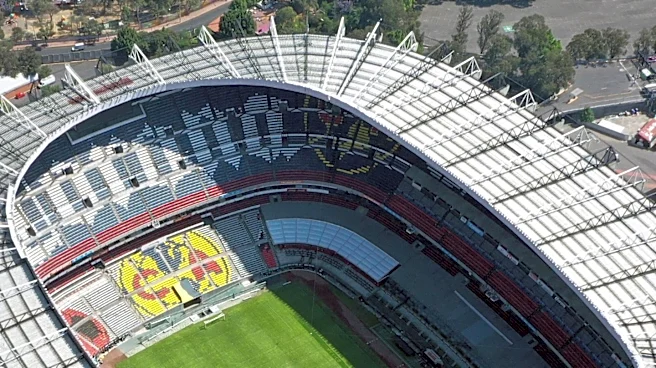
Infrastructure development was a key aspect of hosting the World Cup. In preparation for the 1986 tournament, Mexico invested in the construction and renovation of stadiums and transportation networks. These improvements not only facilitated the smooth running of the event but also left a lasting legacy for the country. As Mexico gears up for the 2026 World Cup, further investments in infrastructure are expected, promising long-term economic benefits.
Looking Ahead to 2026
The upcoming 2026 World Cup, which Mexico will co-host with the United States and Canada, presents another opportunity for the nation to reap the benefits of hosting the tournament. The event is expected to attract millions of visitors, boosting tourism and generating significant economic activity. Additionally, the co-hosting arrangement reflects Mexico's growing influence in the football world and its commitment to fostering international collaboration.
As Mexico prepares for the 2026 World Cup, the nation is focused on building on the successes of the past. The event promises to be a celebration of football and a showcase of Mexico's cultural richness and hospitality. The impact of hosting the World Cup on Mexico is a testament to the transformative power of the beautiful game.