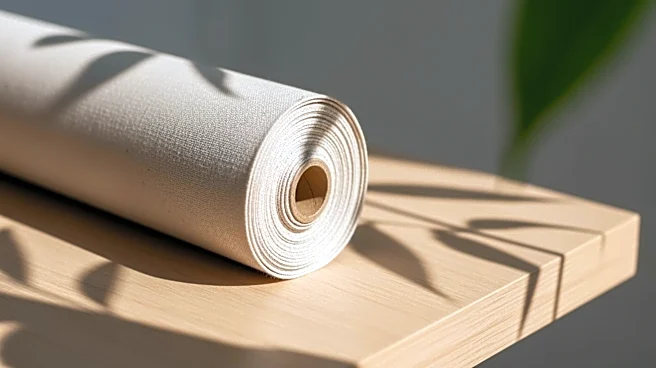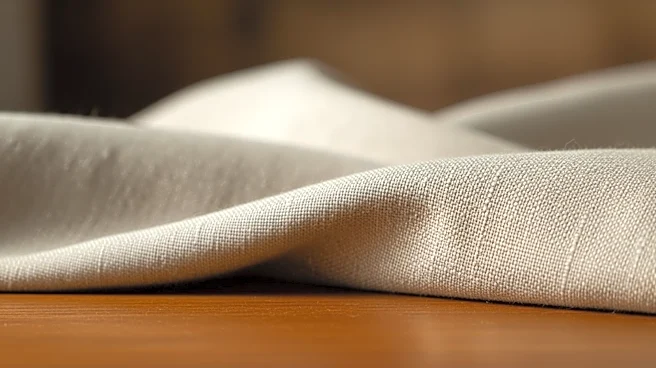





Linen, a textile made from the fibers of the flax plant, is renowned for its strength, absorbency, and unique texture. The production of linen is a labor-intensive process that results in a fabric with distinct properties. This article provides an in-depth look at how linen is produced and what makes it stand out among other textiles.
The Labor-Intensive Production of Linen
The journey of linen begins with the cultivation of flax, a plant that requires specific growing conditions. To produce
high-quality linen, flax is either hand-harvested or cut close to the root to ensure the longest possible fibers. After harvesting, the plants are dried, and the seeds are removed through a process called rippling.
The next step is retting, where bacteria decompose the pectin that binds the fibers together. This can be done naturally in tanks or fields, or chemically, though the latter is less environmentally friendly. Once retting is complete, the stalks undergo scutching to remove the woody parts, followed by heckling to separate the long, soft fibers. These fibers are then spun into yarns and woven or knitted into linen textiles.
Unique Properties of Linen
Linen is celebrated for its unique properties, which set it apart from other textiles. It is highly absorbent and dries faster than cotton, making it ideal for hot weather. Linen's strength is another notable feature; it can be up to three times stronger than cotton due to the longer and tightly wrapped cellulose fibers.
Despite its strength, linen is prone to wrinkling, a characteristic often seen as part of its charm. It is also resistant to dirt and stains, and can be machine-washed, dry-cleaned, or steamed. However, constant creasing in the same place can lead to wear, particularly in areas like collars and hems.
The Versatility and Modern Use of Linen
Linen's versatility is evident in its wide range of uses. It is a preferred material for bed sheets, tablecloths, and clothing, valued for its durability and hypoallergenic properties. In the art world, linen is favored for canvases due to its strength and texture, providing a reliable surface for painting.
In recent years, there has been a renewed interest in linen as a sustainable and eco-friendly textile. Its biodegradability and natural production process make it an attractive choice for those seeking environmentally conscious options. As a result, linen continues to be a sought-after material in both fashion and home decor.
In summary, the production and properties of linen highlight its status as a premium textile. Its combination of strength, absorbency, and natural beauty ensures its continued popularity and relevance in today's world.