


Peruvian cuisine is a vibrant blend of indigenous traditions and international influences, reflecting the country's rich history and diverse cultural heritage. From the pre-Columbian era to the modern day, the evolution of Peruvian food tells a story of adaptation and innovation. This article explores the historical journey of Peruvian cuisine, highlighting key milestones and the impact of various cultures on its development.
Pre-Columbian Roots
Before the arrival of
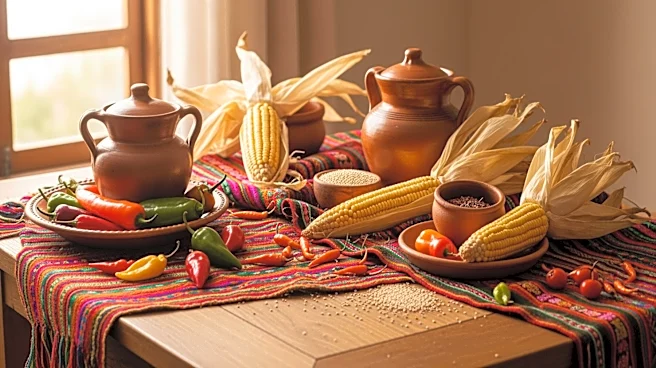
Europeans, the indigenous peoples of Peru had developed sophisticated agricultural techniques that allowed them to cultivate a variety of crops in the challenging terrain of the Andes. Staples such as potatoes, aji peppers, corn, and quinoa were central to their diet. These ingredients formed the foundation of Peruvian cuisine, providing essential nutrients and flavors that continue to be celebrated today.
The pre-Columbian era was marked by a deep connection to the land, with local ingredients playing a crucial role in daily life. The cultivation of these crops was not only a means of sustenance but also a cultural practice that reflected the ingenuity and resilience of the Andean people. This period laid the groundwork for the culinary traditions that would later be enriched by external influences.
Colonial Transformations
The arrival of the Spanish in the 16th century brought significant changes to Peruvian cuisine. The Spanish introduced new ingredients such as onions, garlic, and various meats, along with cooking techniques like frying and sautéing. These additions transformed the local culinary landscape, creating a fusion of flavors that blended indigenous and European elements.
During the colonial era, the integration of Spanish ingredients and methods led to the creation of new dishes that combined the best of both worlds. This period was characterized by experimentation and adaptation, as local cooks learned to incorporate foreign elements into their traditional recipes. The colonial influence is still evident in many popular Peruvian dishes today, showcasing the enduring legacy of this cultural exchange.
Modern Innovations
In the late 19th century, Peru experienced an influx of African and Asian immigrants, further diversifying its culinary repertoire. African slaves introduced dishes like tacu-tacu, while Chinese immigrants created lomo saltado, a stir-fry that has become a beloved staple. These contributions enriched the Peruvian culinary tradition, adding new flavors and techniques to the mix.
Today, Peruvian cuisine is celebrated worldwide for its unique blend of local and international influences. The government's efforts to promote culinary traditions and the rise of renowned chefs have helped elevate Peruvian food to new heights. With its rich history and diverse flavors, Peruvian cuisine continues to captivate and inspire, offering a taste of the country's vibrant cultural heritage.