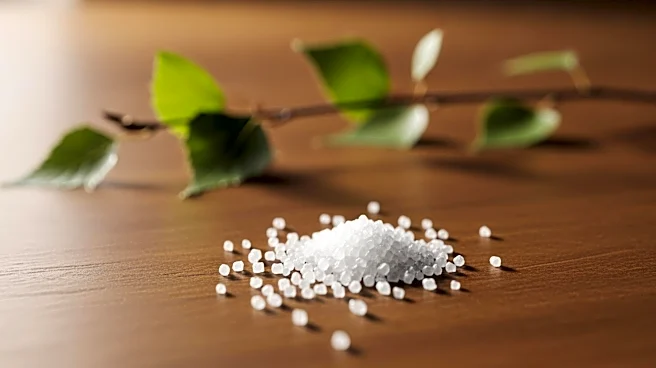






Xylitol, a sugar alcohol used as a sugar substitute, has a fascinating history that dates back to the late 19th century. Initially isolated from beech wood chips, xylitol has evolved from a scientific curiosity to a widely used food additive. This article explores the historical timeline and development of xylitol, highlighting key milestones and its journey to becoming a popular sugar substitute.
Early Discoveries
The story of xylitol began in September 1890 when Emil
Fischer, a German chemist, and his assistant Rudolf Stahel isolated a new compound from beech wood chips. They named it Xylit, derived from the Greek word for wood. This discovery marked the first step in understanding the potential of xylitol as a sugar alcohol. The following year, French chemist M. G. Bertrand isolated xylitol syrup by processing wheat and oat straw, further expanding the knowledge of this compound.
Interest in xylitol grew during World War II due to sugar rationing, which led to a search for sugar substitutes. This period saw intense research into xylitol and other polyols, resulting in the characterization and development of manufacturing methods. The need for alternatives to sugar during wartime played a significant role in advancing the study and production of xylitol.
Industrial Production
Xylitol's industrial production involves extracting xylan from lignocellulosic biomass, such as hardwoods, softwoods, and agricultural waste. The process includes hydrolyzing the mixture with acid to produce xylose, which is then purified and catalytically hydrogenated into xylitol using a Raney nickel catalyst. This method transforms xylose, an aldehyde, into xylitol, a primary alcohol.
While industrial fermentation can also produce xylitol, it is less economical than the acid hydrolysis and chromatography route. Fermentation involves bacteria, fungi, or yeast, particularly Candida tropicalis. The U.S. Department of Energy forecasts that xylitol production by fermentation from discarded biomass will become a significant renewable chemical industry, valued at $1.41 billion by 2025.
Modern Uses and Applications
Today, xylitol is used as a sugar substitute in various products, including drugs, dietary supplements, confections, toothpaste, and chewing gum. It is approved as a food additive in the United States and is known for its negligible effects on blood sugar levels, making it suitable for diabetics and those seeking to control their weight.
Xylitol's versatility extends beyond food products. It is incorporated into fabrics to create cooling sensations when moisture contacts the material. Additionally, xylitol is added to saline solutions for nasal irrigation, improving symptoms of chronic sinusitis.
The journey of xylitol from its discovery to its widespread use today showcases its importance as a sugar substitute. Its development reflects the ongoing search for healthier alternatives to traditional sugars, driven by historical events and scientific advancements.