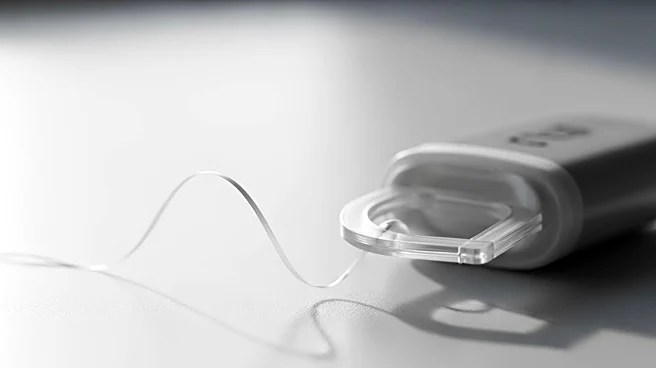

Dental floss is a common tool in oral hygiene, recommended for its ability to clean areas between teeth that toothbrushes cannot reach. However, its effectiveness and necessity have been subjects of debate.
This article examines the benefits of dental floss and the controversies that surround its use.
Benefits of Flossing
Dental floss is designed to remove food particles and dental plaque from between teeth, areas that are often inaccessible to toothbrushes. Regular flossing is recommended to prevent gingivitis and the build-up of plaque, which can lead to more serious dental issues if left unchecked. The American Dental Association claims that flossing can remove up to 80% of plaque, highlighting its potential effectiveness in maintaining oral health.
Flossing is particularly beneficial for individuals with orthodontic devices, as these can create additional spaces where plaque can accumulate. By using floss, individuals can maintain better oral hygiene and reduce the risk of dental problems associated with braces and other dental appliances.
Controversies and Debates
Despite its widespread recommendation, the effectiveness of flossing has been questioned. Empirical scientific evidence demonstrating the clinical benefits of flossing as an adjunct to routine tooth brushing alone is limited. A 2008 systematic review concluded that flossing was no more effective than tooth brushing alone in reducing plaque or gingivitis.
The controversy gained attention in 2015 when the United States Dietary Guidelines for Americans omitted flossing from its recommendations. This omission was linked to a lack of scientific evidence supporting flossing's benefits, sparking debates in the media and among dental professionals. The American Dental Association responded by emphasizing the importance of flossing as part of a comprehensive oral hygiene routine.
Individual Preferences and Techniques
The efficacy of flossing can vary based on individual preference, technique, and motivation. Proper flossing technique involves gently curving the floss against the side of each tooth in a 'C' shape and guiding it under the gumline. However, many people do not floss correctly, which can diminish its effectiveness.
For those who find traditional flossing challenging, alternative interdental cleaning methods, such as waterjet irrigators and interdental brushes, may be more effective. These tools can be easier to use and may provide better results for individuals lacking dexterity or compliance.
In conclusion, while dental floss remains a recommended tool for oral hygiene, its benefits and necessity continue to be debated. As research evolves, individuals are encouraged to consult with dental professionals to determine the best oral hygiene practices for their specific needs.