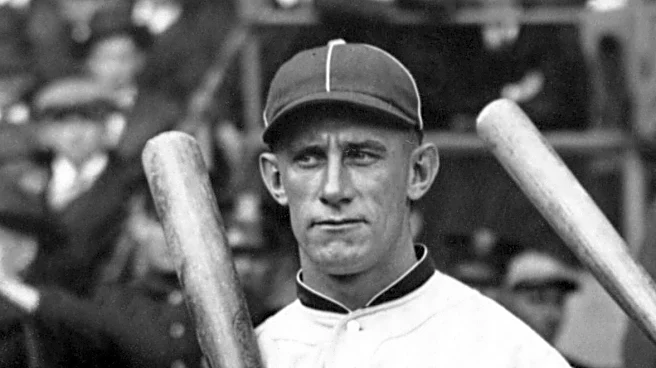





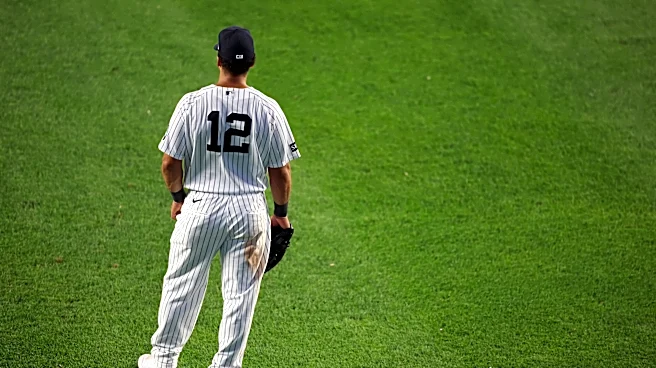
Joe Pepitone's life extended far beyond the baseball diamond, marked by personal challenges, legal troubles, and a return to the sport in a coaching capacity. This article explores the various facets of Pepitone's life after his professional baseball career, including his memoirs, legal issues, and contributions to the sport as a coach.
Memoirs and Personal Reflections
In January 1975, Joe Pepitone published his tell-all memoir, "Joe, You Coulda Made Us Proud," which garnered significant
attention for its candid revelations. The book delved into his tumultuous relationship with his abusive father and his own self-destructive tendencies. Pepitone's memoir provided a raw and honest look at his life, offering insights into the personal struggles that shaped him.
Later that year, Pepitone posed nude for Foxy Lady magazine, further highlighting his willingness to share his life openly with the public. His memoir and subsequent actions reflected a man unafraid to confront his past and present it to the world, regardless of the consequences.
Legal Troubles and Personal Challenges
Pepitone's post-baseball life was not without its challenges. In 1985, he was arrested in Brooklyn after a traffic stop revealed drugs, a pistol, and cash in his vehicle. Despite denying knowledge of the items, Pepitone spent four months in Rikers Island jail for misdemeanor drug convictions.
His legal troubles continued in 1992 when he was charged with misdemeanor assault following a scuffle in New York. In 1995, Pepitone faced charges of driving while intoxicated after an incident in the Queens-Midtown Tunnel. These legal issues painted a picture of a man struggling with personal demons, yet resilient in facing the consequences.
Coaching and Contributions to Baseball
Despite his personal challenges, Pepitone remained connected to baseball, transitioning into coaching roles. In 1980, he was hired as a minor league hitting coach with the Yankees, later joining the major league club in 1982. Although his coaching stint was brief, Pepitone's contributions to the development of minor league players were significant.
After serving time in prison, Pepitone was re-hired by the Yankees in 1988 as part of a work-release program. His relationship with the team continued, earning him a 1999 World Series ring, which he later sold at auction. Pepitone's life beyond baseball reflects a journey of redemption and continued involvement in the sport he loved.