





Reunion Arena was a significant landmark in Dallas, Texas, serving as a hub for sports and entertainment for nearly three decades. From its opening in 1980 to its demolition in 2009, the arena witnessed numerous memorable events and hosted a variety of sports teams and concerts. This article explores the history of Reunion Arena, highlighting its construction, key events, and eventual decline.
Construction and Early Years
Reunion Arena was completed in 1980 at a cost of $27 million.
It was named after the mid-19th century commune, La Reunion, and was located in the Reunion district of downtown Dallas. The arena was notable for being the last NBA or NHL arena built without luxury suites, a feature that would later become standard in modern arenas. Initially, it served as the home for the NBA's Dallas Mavericks and later the NHL's Dallas Stars.
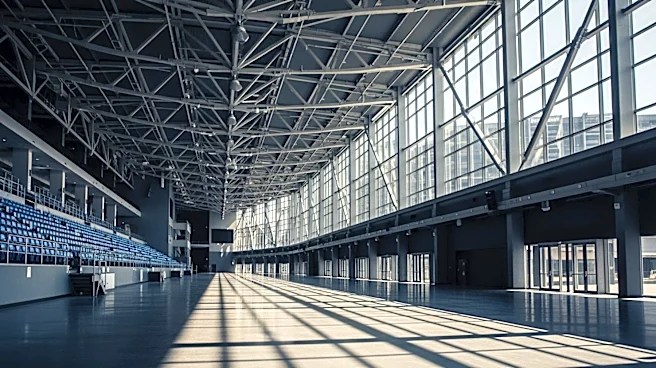
The arena's design included a capacity of 17,000 for ice hockey and 18,190 for basketball, making it a versatile venue for various events. It quickly became a popular location for concerts, hosting some of the biggest names in music from the 1980s through the 2000s. Artists like Michael Jackson, Paul McCartney, and Madonna graced its stage, drawing large crowds and adding to the arena's reputation as a premier entertainment venue.
Key Events and Milestones
Throughout its history, Reunion Arena was the site of numerous significant events. It hosted the NBA All-Star Game in 1986 and the NCAA Final Four in 1986, cementing its status as a key sports venue. The arena was also a popular stop for political figures, with President Ronald Reagan speaking there in 1984 and Barack Obama holding a campaign rally in 2008.
In addition to sports and politics, the arena was a frequent venue for World Class Championship Wrestling in the 1980s, hosting bi-monthly Star Wars events. It also served as the location for WWE events, including SmackDown shows and the Fully Loaded Pay-Per-View event in 1999. These events contributed to the arena's diverse appeal and its role as a central gathering place in Dallas.
Decline and Demolition
Despite its early success, Reunion Arena faced challenges in the late 1990s and early 2000s. The opening of the American Airlines Center in 2001 led to the relocation of the Dallas Mavericks and Dallas Stars, leaving the arena without its primary tenants. As newer venues emerged, Reunion Arena struggled to attract major events, leading to its decline.
In 2008, the Dallas City Council voted to close the arena, and it was officially demolished in November 2009. The site was cleared by the end of the year, marking the end of an era for the iconic venue. Today, the former site of Reunion Arena is known as Reunion Park, hosting events and serving as a reminder of the arena's storied past.