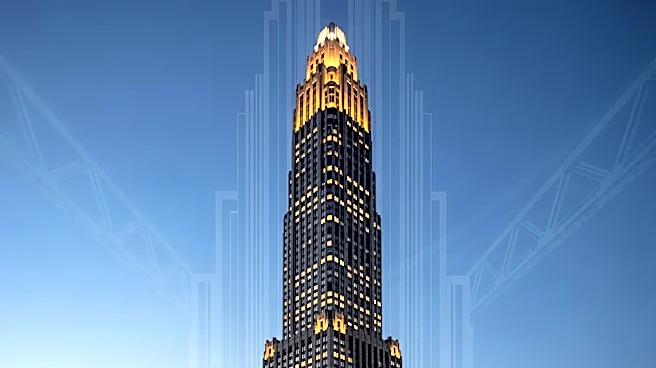







The Empire State Building is a landmark of architectural achievement and historical significance. Completed in 1931, it has witnessed numerous milestones and events that have shaped its legacy. From its construction during the Great Depression to its role as a cultural icon, the building's history is a fascinating journey through time.
Construction and Early Years
The site of the Empire State Building was originally developed as the Waldorf-Astoria Hotel in 1893. In 1929, Empire State Inc.
acquired the site and devised plans for a skyscraper. The design was changed fifteen times to ensure it would be the world's tallest building. Construction began on March 17, 1930, and the building opened on May 1, 1931, just thirteen and a half months later.
Despite favorable publicity, the building's owners did not make a profit until the early 1950s due to the Great Depression and World War II. The building was initially derided as the "Empty State Building" due to low occupancy rates, but aggressive marketing efforts eventually attracted tenants.
Milestones and Events
The Empire State Building was the world's tallest building until the North Tower of the World Trade Center was topped out in 1970. After the September 11 attacks in 2001, it regained its title as New York City's tallest building until it was surpassed by One World Trade Center in 2012.
In 1945, a B-25 bomber crashed into the building, killing fourteen people but causing only minor damage. The building reopened two days later, demonstrating its resilience and robust construction.
The building has also been a site for cultural events, such as the Empire State Building Run-Up, an annual foot race to the 86th-floor observation deck. It has hosted numerous celebrities and dignitaries, further cementing its status as a cultural icon.
Renovations and Modern Era
Starting in 2009, the Empire State Building underwent a $550 million renovation to improve energy efficiency and public areas. The renovation included the installation of "superwindows" to block heat while allowing light, reducing energy emissions by 38% within five years.
In 2019, the building's observation decks were updated, including the addition of a new observatory on the 80th floor. The renovations have ensured that the Empire State Building remains a modern and sustainable landmark.
The Empire State Building's history is a testament to human ingenuity and resilience. From its construction during challenging economic times to its role as a cultural icon, the building continues to inspire and captivate people worldwide.