


The Broad Street Riot of 1837 was a significant event in Boston's history, highlighting the cultural tensions between Irish immigrants and Yankee firefighters. This massive brawl, involving hundreds of participants and thousands of spectators, was a reflection of the broader societal issues of the time. The riot not only showcased the animosity between different ethnic groups but also led to significant changes in Boston's public safety infrastructure.
Cultural Tensions in Boston
In the early 19th century, Boston was a major hub for immigration, particularly for Irish immigrants fleeing economic hardship. This influx of newcomers led to increased competition for jobs and resources, which fueled resentment among the city's established residents. The Yankee population, primarily American-born Protestants, viewed the Irish immigrants with suspicion and hostility. This animosity was exacerbated by religious differences, as the predominantly Catholic Irish clashed with the Protestant Yankees.
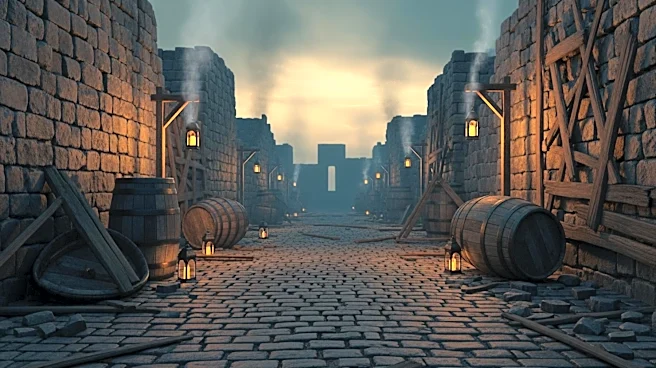
The tensions were not just social but also economic. Many working-class Yankees felt threatened by the Irish, who were willing to work for lower wages. This economic competition further deepened the divide between the two groups, setting the stage for conflict. The Broad Street area, where the riot occurred, was a hotspot for these tensions, with frequent reports of vandalism and violence against Irish homes and individuals.
The Riot Unfolds
The Broad Street Riot began on June 11, 1837, when a group of Yankee firefighters from Fire Engine Company 20, returning from a fire, encountered a crowd of Irishmen on their way to a funeral procession. The situation quickly escalated when a young firefighter, George Fay, allegedly insulted or shoved several Irishmen, sparking a violent confrontation. The firefighters, outnumbered, retreated to their firehouse, but the conflict did not end there.
The foreman of the fire company, W.W. Miller, panicked and ordered the emergency alarm to be sounded, summoning all the fire engines in Boston. This action drew more firefighters and Irishmen into the fray, turning the brawl into a full-scale riot. The violence spread rapidly, with homes being invaded and vandalized, and the streets filled with fighting men.
Aftermath and Impact
The riot raged for hours before being quelled by the intervention of the National Lancers, a state cavalry unit called in by Mayor Samuel Eliot. Despite the chaos and destruction, no immediate deaths were reported, though many were injured. The aftermath of the riot had lasting effects on Boston. It highlighted the need for a more organized and professional public safety system, leading to the establishment of Boston's first police and fire departments.
The Broad Street Riot was a turning point in Boston's history, illustrating the deep-seated cultural and economic tensions of the time. It served as a catalyst for change, prompting the city to address the issues of public safety and ethnic conflict more effectively.