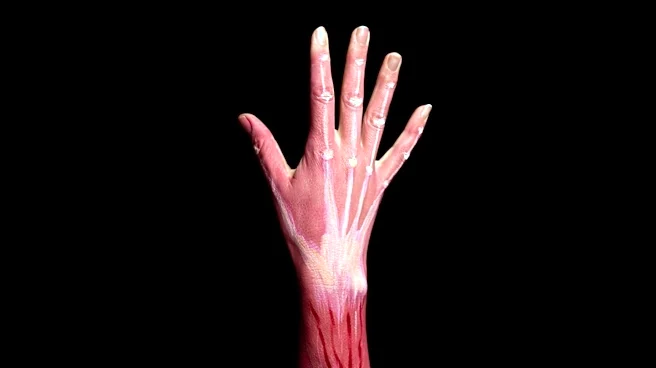









Tendinopathy is a common condition that affects the tendons, leading to pain, swelling, and impaired function. It is often associated with repetitive activities or injuries, and it can significantly impact a person's ability to perform daily tasks or engage in physical activities. Understanding the causes and symptoms of tendinopathy is crucial for effective management and treatment.
Common Causes of Tendinopathy
Tendinopathy can arise from various causes, with repetitive activities
being one of the most common. People who engage in manual labor, musicians, and athletes are particularly at risk due to the repetitive strain placed on their tendons. Overuse can lead to micro-tears in the tendon, which, if not allowed to heal properly, can result in tendinopathy. Other factors such as obesity, thyroid disease, and diabetes can also contribute to the development of this condition.
In addition to overuse, certain medications, such as quinolone antibiotics, have been linked to an increased risk of tendinopathy. These medications can affect the tendons' structural integrity, making them more susceptible to injury. Furthermore, conditions like arthritis and gout can exacerbate the symptoms of tendinopathy, leading to increased pain and swelling.
Recognizing the Symptoms
The symptoms of tendinopathy can vary depending on the affected tendon, but common signs include pain, swelling, and tenderness. The pain is often worse with movement and can be particularly noticeable during or after physical activity. In some cases, the affected area may also feel warm to the touch, and there may be visible swelling or redness.
Tendinopathy can affect various parts of the body, including the shoulder, elbow, wrist, hip, knee, and ankle. For instance, rotator cuff tendinitis affects the shoulder, while Achilles tendinitis impacts the ankle. Each type of tendinopathy may present with specific symptoms, but the underlying issue of tendon inflammation and damage remains consistent across different types.
The Impact of Tendinopathy
Tendinopathy can significantly impact a person's quality of life, especially if left untreated. The pain and discomfort associated with the condition can limit a person's ability to perform everyday tasks, such as lifting objects or walking. In athletes, tendinopathy can hinder performance and may even lead to long-term damage if not addressed promptly.
Understanding the causes and symptoms of tendinopathy is essential for early diagnosis and effective treatment. By recognizing the signs and seeking appropriate medical care, individuals can manage their symptoms and prevent further damage to their tendons. Treatment options may include rest, physical therapy, and medications to reduce inflammation and promote healing.