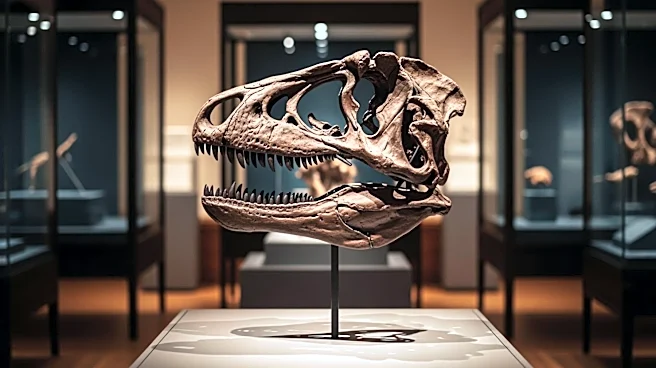








The American Museum of Natural History in New York City is not only a popular tourist destination but also a significant center for scientific research and education. Established in 1869, the museum has played a crucial role in advancing our understanding of the natural world through its extensive research programs and educational initiatives.
Research and Scientific Contributions
The American Museum of Natural History is home to over 200 scientists who conduct research in various fields,
including biology, paleontology, earth science, astrophysics, and anthropology. This diverse team of experts works tirelessly to expand our knowledge of the natural world, contributing to scientific discoveries and advancements.
The museum's research efforts are supported by its vast collection of over 34 million specimens and artifacts. These resources provide invaluable data for scientists studying everything from ancient fossils to modern ecosystems. The museum's commitment to research is further demonstrated by its graduate school, which offers doctorate degrees in biology and master's degrees in education, training the next generation of scientists and educators.
Educational Initiatives and Public Engagement
Education is a cornerstone of the American Museum of Natural History's mission. The museum offers a wide range of educational programs designed to engage and inspire learners of all ages. These programs include workshops, lectures, and interactive exhibits that provide visitors with hands-on learning experiences.
The museum's educational initiatives are not limited to the general public; they also include specialized programs for teachers. By providing educators with the tools and resources they need to teach science effectively, the museum helps to foster a deeper understanding of the natural world in classrooms across the country.
Legacy and Influence
The American Museum of Natural History has been associated with several notable figures in the field of science, including Teddy Roosevelt, Franz Boas, Margaret Mead, and Neil DeGrasse Tyson. These individuals have contributed to the museum's legacy of scientific excellence and public education.
Through its research and educational efforts, the museum has had a lasting impact on the scientific community and society as a whole. By promoting a greater understanding of the natural world, the American Museum of Natural History continues to inspire curiosity and foster a love of science in people of all ages. Its influence extends beyond its walls, shaping the way we think about and interact with the world around us.